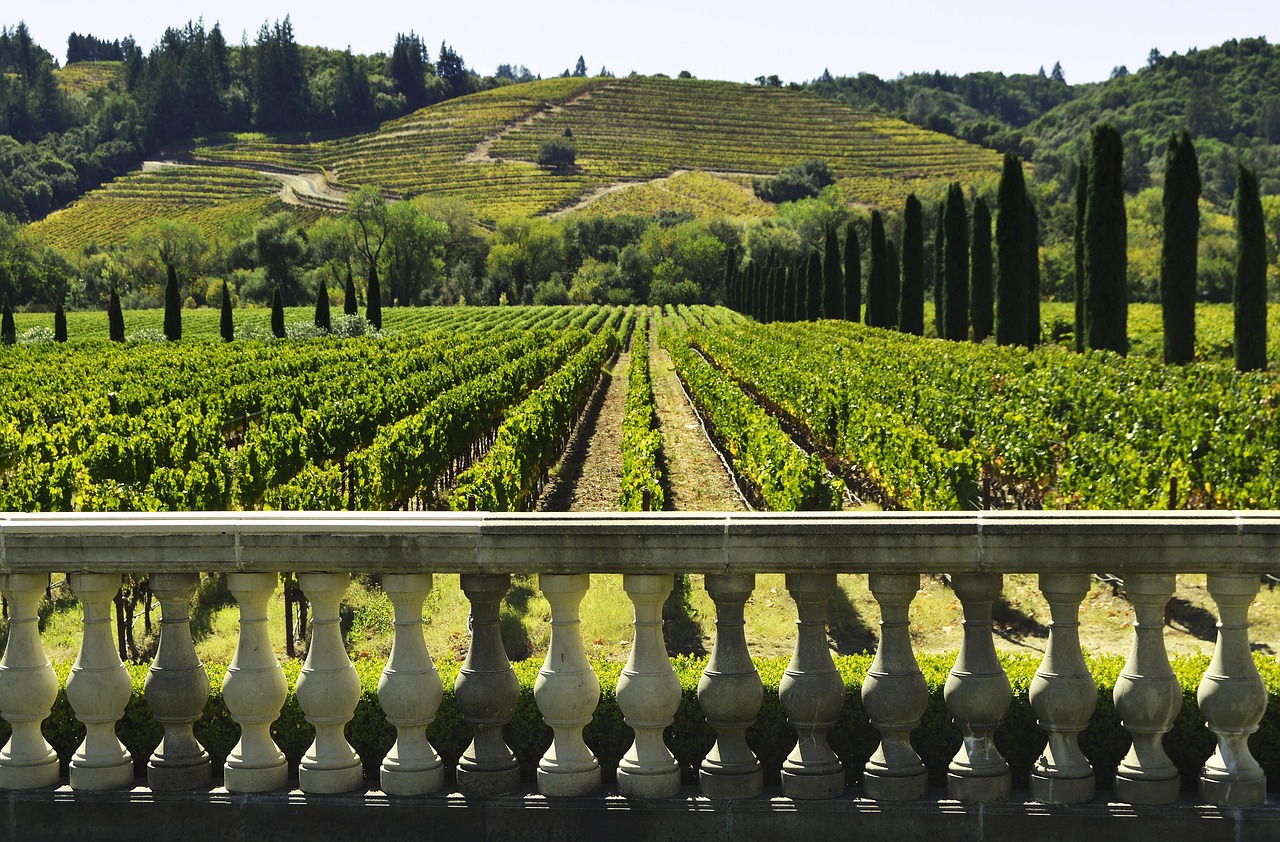
Sonoma County is where Locale Terroir begins—one of Northern California’s most layered dining regions, where food culture is inseparable from terroir, viticulture, and the diversity of its AVAs. From the fog-cooled edges of the Sonoma Coast to the warmer valleys of Alexander Valley, Dry Creek Valley, and Russian River Valley, the region’s landscape shapes not only its wines but its broader dining identity. Agriculture, seasonality, and a deep connection to place define how Sonoma eats and drinks. Restaurants here range from refined tasting menus rooted in farm-and-vineyard relationships to more relaxed local institutions that express the character of the region in a direct way. What ties them together is not style alone, but a sense of place: food and hospitality that feel grounded in Sonoma itself..
Terroir & Varietals
Petaluma Gap · Sonoma Coast · Fort Ross–Seaview · Russian River Valley · Green Valley
— cool climate — Pinot Noir and Chardonnay
Chalk Hill
— warm am, cool pm — Chardonnay and Sauvignon Blanc
Dry Creek Valley · Alexander Valley
— warm am, cool pm — Cabernet Sauvignon, Chardonnay, Syrah
Knight’s Valley Valley
— warm with elevation— Cabernet Sauvignon and Bordeaux Varietals
This guide begins in Sonoma County because it offers one of the clearest expressions of Northern California dining culture — thoughtful, agricultural, independent, and deeply rooted.A vast and varied landscape shaped by coastal influence, inland warmth, and a patchwork of distinct AVAs. From the fog-laced edges of the Pacific Ocean to the sun-exposed valleys further inland, Sonoma produces wines of both precision and generosity.Pinot Noir and Chardonnay define the cooler western corridors, while Cabernet Sauvignon, Merlot, and Zinfandel thrive in the warmer interior valleys. The region’s diversity is its identity—no single style dominates, only a range of expressions shaped by place.