Update your editorial to go live.
UpdateCôtes de Frick — A Rhône-style GSM blend, the house’s calling card.
Cinsaut — A rare single-varietal red seldom seen from Sonoma.
Counoise — Another uncommon Rhône grape bottled on its own.
Grenache Blanc & Viognier — Estate white Rhônes.
Thirteen or so wines from seven Rhône varieties, all grown on 7.77 hillside acres and made by hand at roughly eight hundred cases a year.
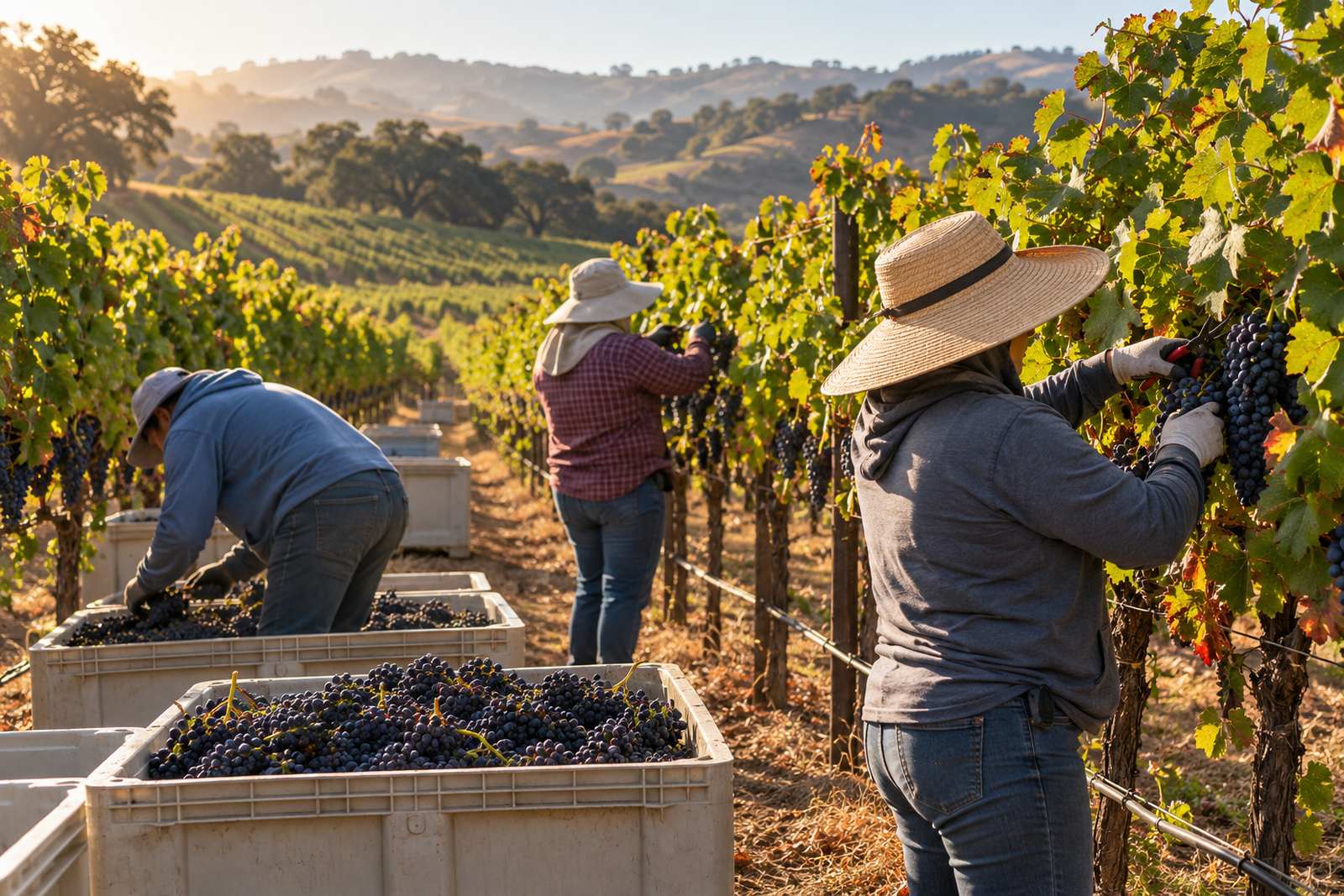
FRICK is, in the owner’s own phrase, ‘7.77 acres and a man.’ Bill Frick and his wife Judith Gannon founded it in 1976, funding the whole venture by selling their 1957 Chevy, and planted a steep hillside on a dead-end road in the highland corner of Dry Creek Valley. In an appellation that runs on Zinfandel, they chose to make only Rhône wines, and Bill still does — working alone, by hand, at roughly eight hundred cases a year. Judith died in 2002; he kept going.
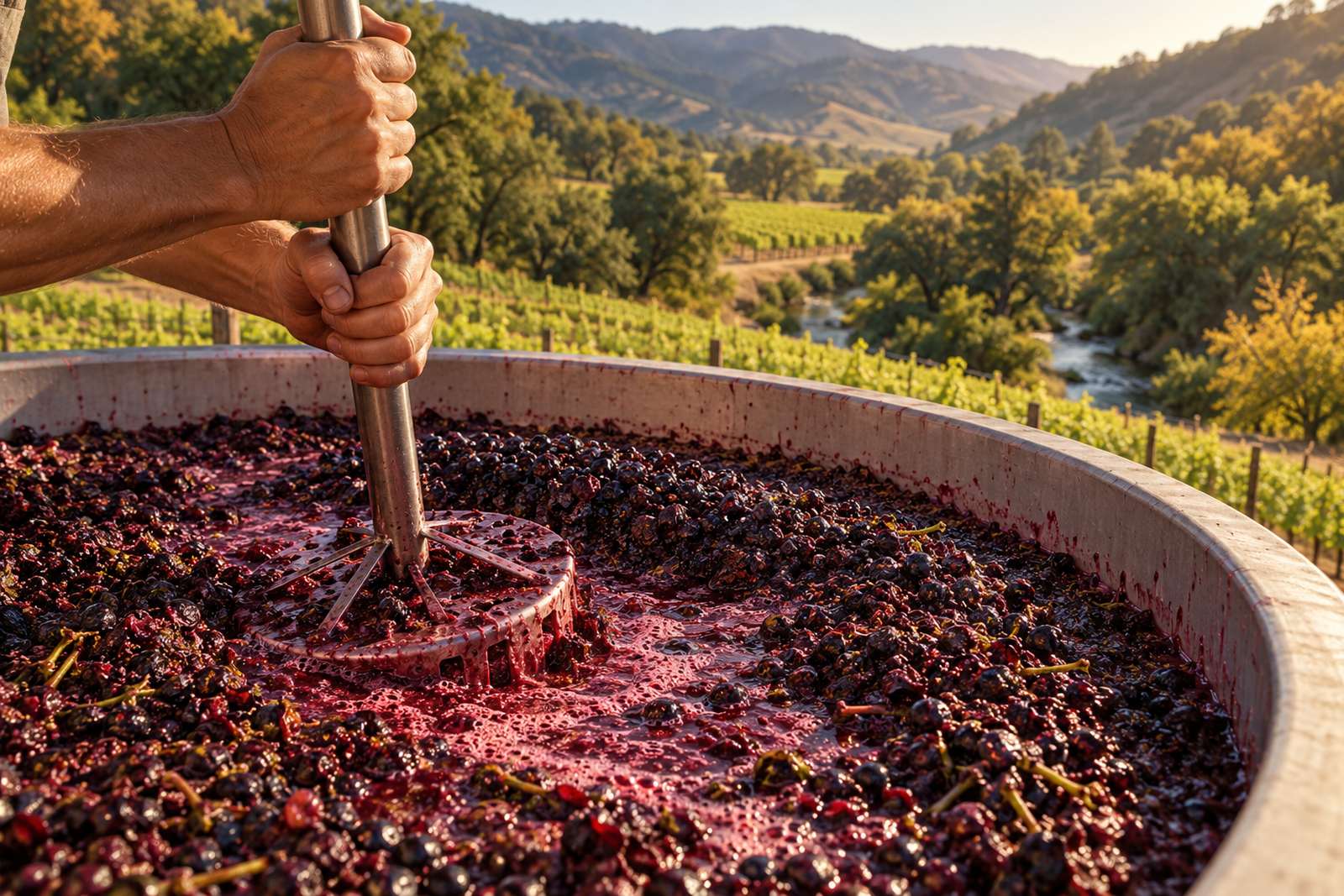
He makes thirteen or so wines from seven Rhône varieties — Syrah and Viognier, but also the rarely seen Cinsaut, Counoise, and Carignane — crushing, fermenting, and bottling everything himself on the property. The tasting room is small and unpretentious; Bill pours, and the wine sometimes comes in a plain juice glass. Groups are capped at four, and the road in is quiet enough that hawks and foxes outnumber visitors. A reservation is appreciated, though he is known to open on a closed day for a good reason.
Bill Frick founded FRICK in 1976 with his wife, Judith Gannon, funding the whole venture by selling their 1957 Chevy. For more than two decades the two worked side by side through every harvest, choosing to make only Rhône wines in a valley built on Zinfandel. He makes everything himself now — by hand, in small batches, naturally — on 7.77 hillside acres.
Judith Gannon co-founded FRICK with her husband Bill in 1976 and worked alongside him for more than twenty-five years, sharing the hand labor of crush and cellar. She died in 2002; Bill has continued the winery in the Rhône-only style they built together.
Please submit your images separately — they're handled by a different department and will be processed alongside your editorial update.