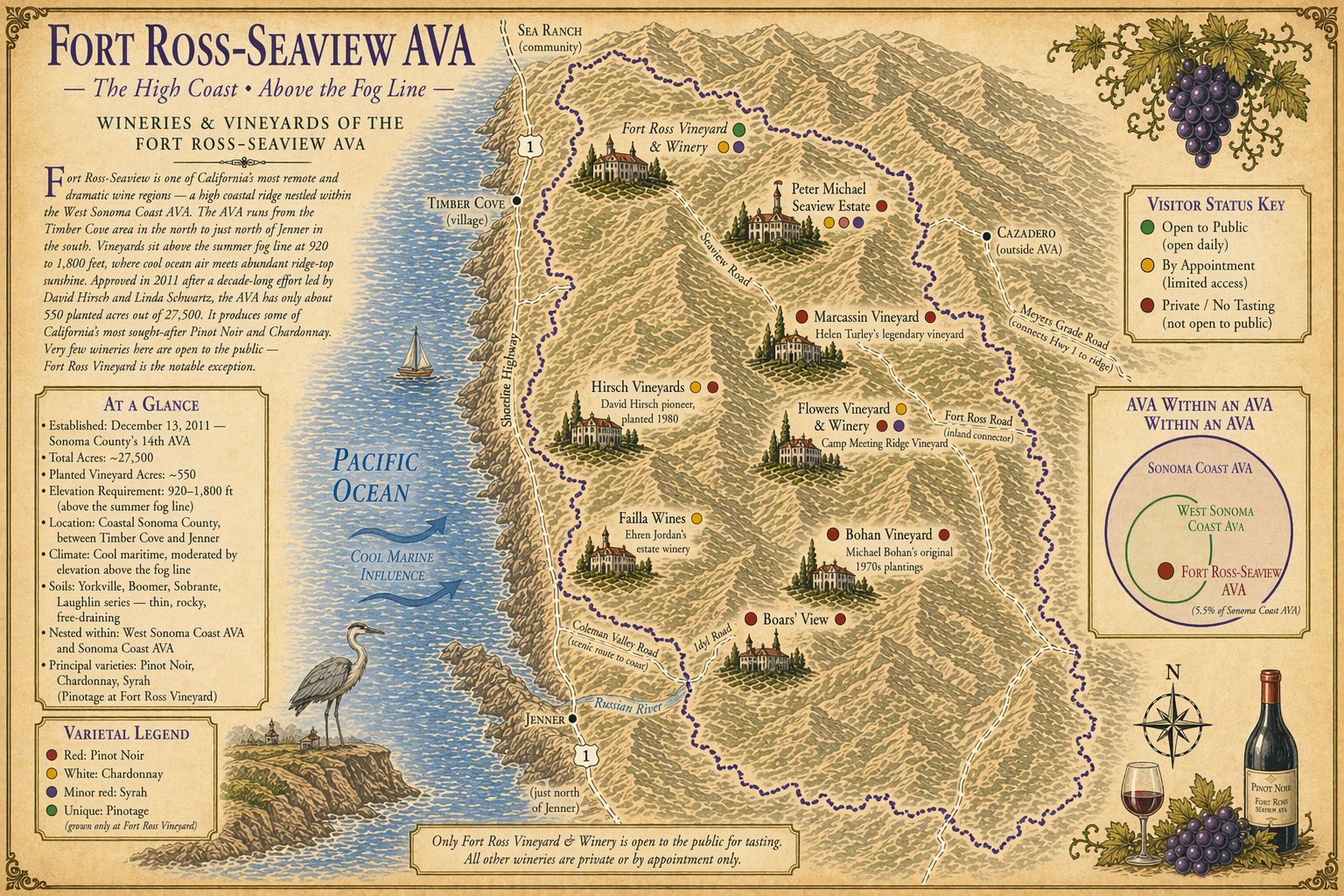
Fort Ross-Seaview occupies one of California's most dramatic wine addresses: steep coastal ridges above the town of Jenner, between 1,200 and 2,200 feet above the Pacific. The vineyards sit above the fog line, which burns off to clear skies while the valley below remains shrouded. The combination of intense solar radiation and cold nights creates a diurnal range of 50°F or more, preserving acidity in wines of remarkable concentration. Soils are thin, rocky, and ancient. Pinot Noir here is dense and structured, worlds apart from Russian River. Chardonnay develops a salty, mineral quality that speaks directly of the ocean below. Fort Ross Vineyard, Hirsch Vineyards, and Wayfarer are the names that define this appellation.
Tasting fees are per person: $ under $25 · $$ $25–50 · $$$ $50–100 · $$$$ $100+. Reserve and seated experiences may run higher.

Brothers Nick and Andy Peay planted their 53-acre hilltop vineyard above Annapolis in 1998, four miles from the Pacific. With winemaker Vanessa Wong, formerly of Peter Michael, they make single-vineyard Pinot, Chardonnay, Syrah, and white Rhônes from one of California's coldest sites. No public tasting room; member visits by appointment.








View Editorial

Daniel and Marion Schoenfeld have farmed their 110-acre homestead at the headwaters of Wild Hog Creek since the late 1970s, opening the solar- and hydro-powered winery in 1990, among California's earliest minimalist winemakers. Certified organic since 1983: permanent cover crop, dry-farmed vines, no synthetics. Forty-five minutes on dirt roads from Cazadero.
View Editorial

Lester and Linda Schwartz's 957-acre property rises from the Pacific to 1,700-foot ridgetops: among the only wineries with a tasting room on the Fort Ross-Seaview AVA itself. Sunset's Peter Fish called it 'the most spectacularly sited tasting room in California.'


These wineries make wine from this appellation’s grapes and pour at their own tasting rooms elsewhere in Sonoma County. Ask for it when you visit.

One of Moon Mountain's most ambitious projects: three winemakers, a master cooper who hand-selects French oak trees, and Cabernet, Petite Sirah, Tannat, and Syrah from volcanic basalt at altitude. Built by Brion Wise on a former cattle ranch. A walk-in lounge in Kenwood; the Moon Mountain Estate Cave is by appointment.

Founded in 2005 by Mary Dewane and Joe Anderson with winemaking partner Mike Sullivan (ex-Hartford Family Winery), Benovia farms three estate vineyards, from the historic Cohn Vineyard to Martaella, where the tasting room sits. Focused on single-vineyard Pinot Noir, Chardonnay, and Zinfandel from Russian River, Sonoma Coast, and Mendocino. Seated tastings by reservation.

Anne Moller-Racke founded The Donum Estate in 2001 and ran it nearly two decades before stepping away in 2019 for Blue Farm, her Pinot Noir and Chardonnay project, anchored by the Anne Katherina Vineyard behind her Victorian farmhouse in Carneros. She makes the wines herself from five vineyards across five AVAs.

Founded in 1998 when fifth-generation farmer Steve Dutton, son of Warren Dutton, who planted Dutton Ranch in 1969, teamed with winemaker Dan Goldfield to bottle the ranch's fruit. Goldfield made wine at La Crema and Hartford Court before co-founding the label. Today: about 14,000 cases, 75% from Dutton Ranch.
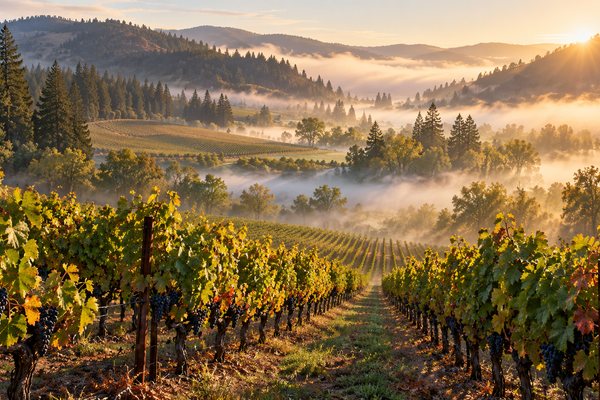
Founded in 1989 by Walt and Joan Flowers, who left their Pennsylvania horticulture business to pioneer viticulture on the Sonoma Coast. Their Camp Meeting Ridge and Sea View Ridge vineyards, high on ridges near the Pacific, were considered too cold by most; they proved otherwise. Hosted at the House of Flowers in Healdsburg.
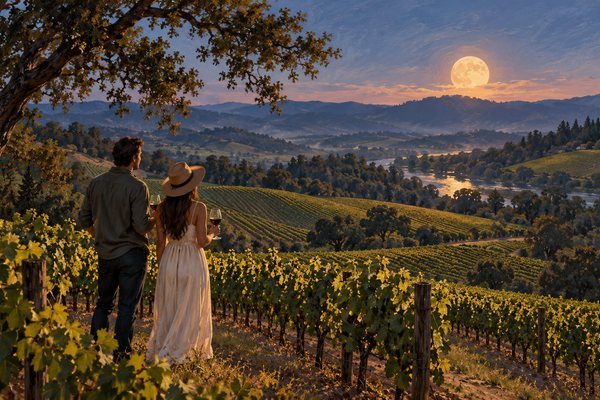
Founded in 1982 by Gary Farrell, Davis Bynum's winemaker from 1978 and a Rochioli collaborator, who built the glass-walled winery on a Westside Road hillside in 2000. Owned since 2011 by Bill Price (Three Sticks, Durell, Gap's Crown) and Vincraft. Winemaker Brent McKoy, at the winery since 2005, leads the cellar.

David Hirsch planted his ridge above Fort Ross in 1980, among the first to see that extreme coastal sites could grow great Pinot Noir. The estate is now regarded as the birthplace of the true Sonoma Coast style, a 72-acre vineyard along the San Andreas Fault. Daughter Jasmine now leads.

Ted Lemon studied in Burgundy and worked at Domaine Guy Roulot before founding Littorai in 1993 to make Pinot and Chardonnay from the Sonoma Coast with Côte d'Or rigor. He became the voice of West Sonoma Coast wine. The Sebastopol estate is a biodynamic farm.
The Martinelli family has farmed the Russian River Valley since Giuseppe and Luisa Martinelli planted vineyards in the late 1800s, after emigrating from Tuscany. Today the family makes Pinot Noir, Chardonnay, Zinfandel, and Syrah from estate vineyards including the legendary 60-degree Jackass Hill Zinfandel block. Tasting room on River Road.
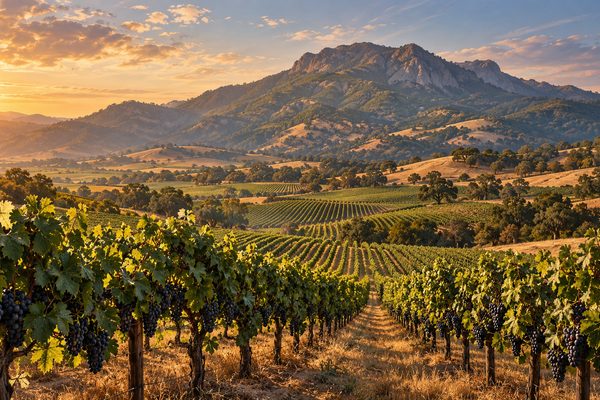
Founded by Sir Peter Michael in 1982, a Knights Valley estate among California's most celebrated. High-elevation vineyards from 900 to 1,900 feet on the western slopes of Mount St. Helena produce single-vineyard Chardonnay and Cabernet of extraordinary precision. Winemaker Robert Fiore has led the cellar since 2020. Allocated by mailing list; private visits by appointment.
Founded in 1996 by veteran winemaker David Ramey and Carla Ramey after his years at Simi, Matanzas Creek, and Chalk Hill, the label is known for low-intervention Burgundian Chardonnay and Bordeaux-influenced Cabernet. Now run by their children, Claire and Alan Ramey, co-presidents since 2021. Tasting room on Healdsburg Avenue.

Named for the Pacific Electric Railway that once crossed Southern California, Red Car made its first wine in 2000. Cool-climate Pinot Noir, Chardonnay, and Syrah come from six vineyards in Occidental, Sebastopol, Freestone, and Cazadero, ten miles from the Pacific. An early West Sonoma Coast AVA force; tasting lounge under redwoods.
In 1998 Helen Turley, then winemaker for Jayson Pahlmeyer, found a 30-acre site near her Marcassin vineyard on a remote Fort Ross-Seaview ridge and called it destined to become 'the La Tâche of California.' Pahlmeyer bought it; David Abreu designed the vineyard as 30 one-acre blocks, each a single clone.
Oops! Something went wrong while submitting the form