The quiet legend of Dry Creek Valley, a family operation farming the same estate since 1974. Third-generation winemaker Shelly Rafanelli makes Zinfandel and Cabernet sold almost entirely through the mailing list — no website, no wide distribution. Honest, structured expressions of Dry Creek terroir draw a fiercely loyal following.


A. Rafanelli is the quiet legend of Dry Creek Valley — a family operation that has farmed the same estate since 1974, making Zinfandel and Cabernet that are sold almost entirely through the mailing list. No website, no widespread distribution, no fanfare. The wines are honest, beautifully structured expressions of Dry Creek terroir, and the Rafanelli family's commitment to restraint and consistency over decades has earned them a fiercely loyal following. If you can get on the list, do it.
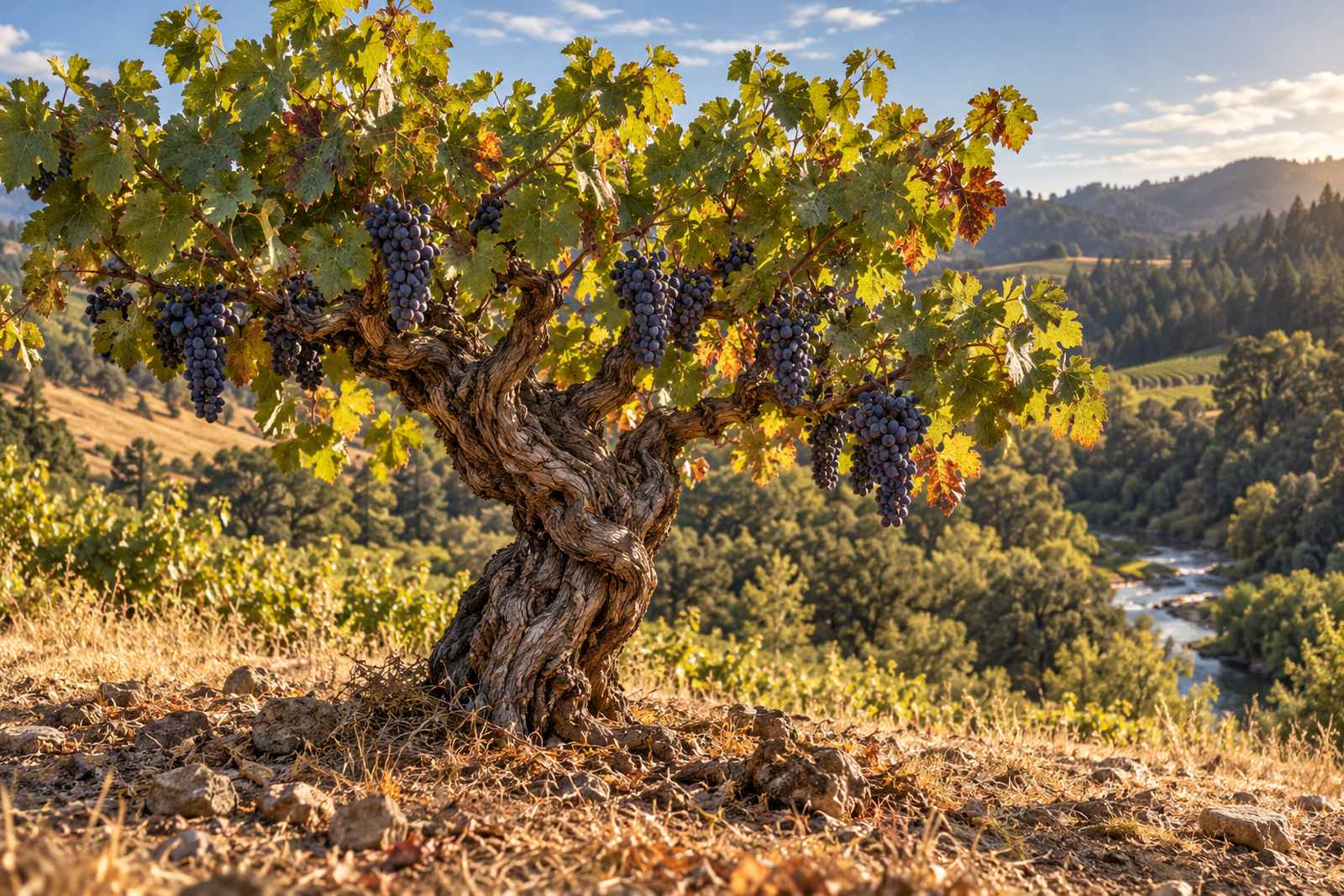
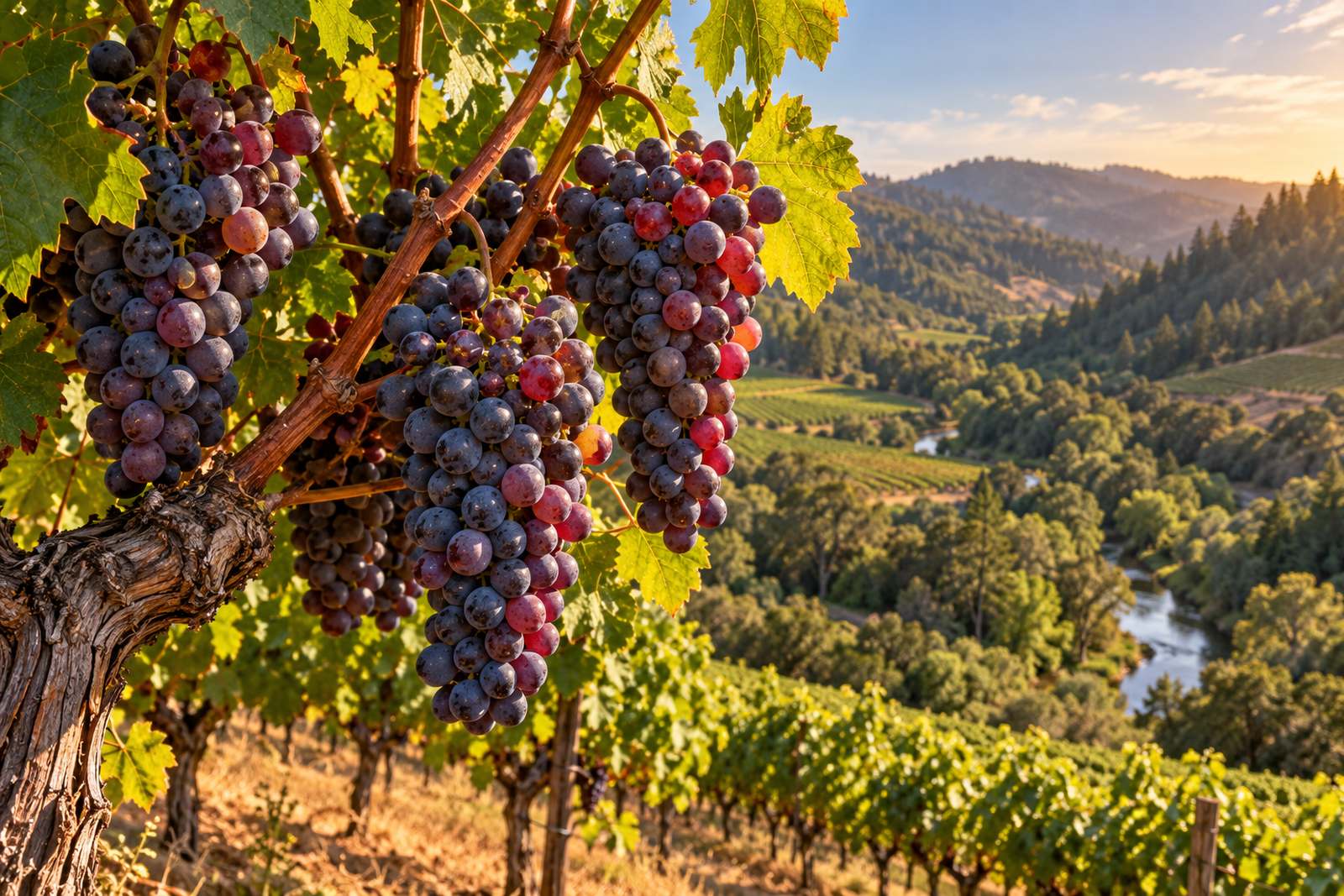
Dry Creek Valley Zinfandel — The wine that made Rafanelli's name: a famed, dry-farmed estate Zin with blackberry-jam fruit, white-pepper spice and notes of vanilla and anise, exceptionally balanced and built to age.
Terrace Select Cabernet Sauvignon, Dry Creek Valley — The portfolio's flagship, selected from the best blocks of the Terraced Hillside vineyard and aged 36 months in new French oak, bottled unfined and unfiltered.
Estate Merlot, Dry Creek Valley — Charming and supple, rounding out a small, focused lineup of estate reds.
The Rafanelli family has grown grapes in Dry Creek Valley since the early 1900s, with four generations carrying on a quality-over-quantity tradition. Rashell 'Shelly' Rafanelli is head winemaker; the wines are sold almost exclusively at the appointment-only winery.
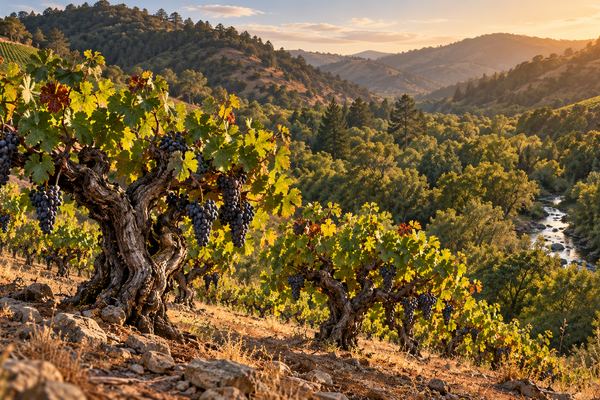
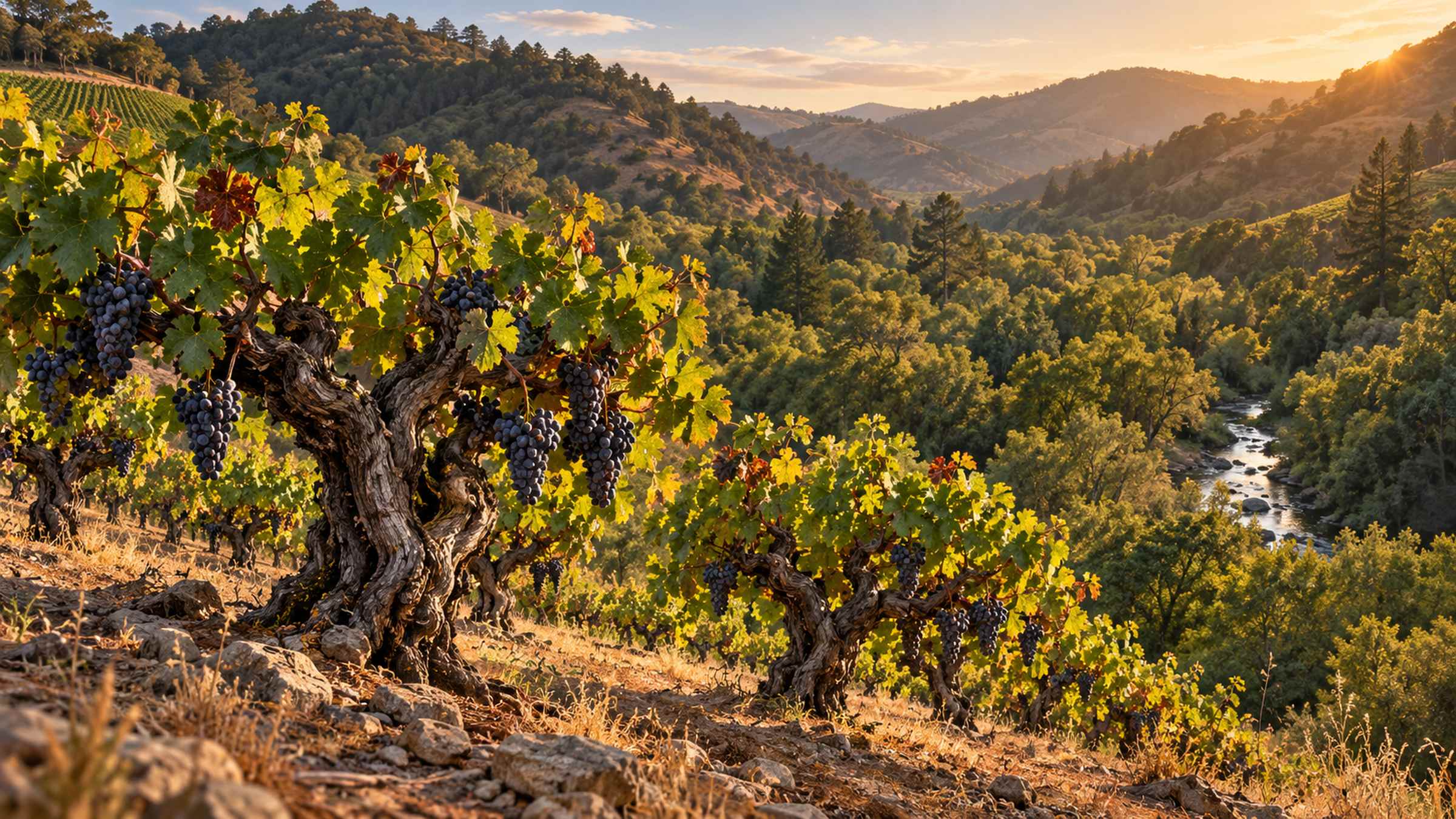
The tasting itself is refreshingly uncomplicated: a casual pour hosted by a Rafanelli family member, typically on the patio behind the winery overlooking terraced hillside vineyards. Parties are limited to six guests, tastings are $25 per person, and reservations must be made by phone — the family doesn't use email. Their Zinfandel is the benchmark: concentrated but structured, built on generations of old-vine estate fruit. The Cabernet Sauvignon and Merlot are just as serious. Wines are sold only at the winery, which is part of the point.

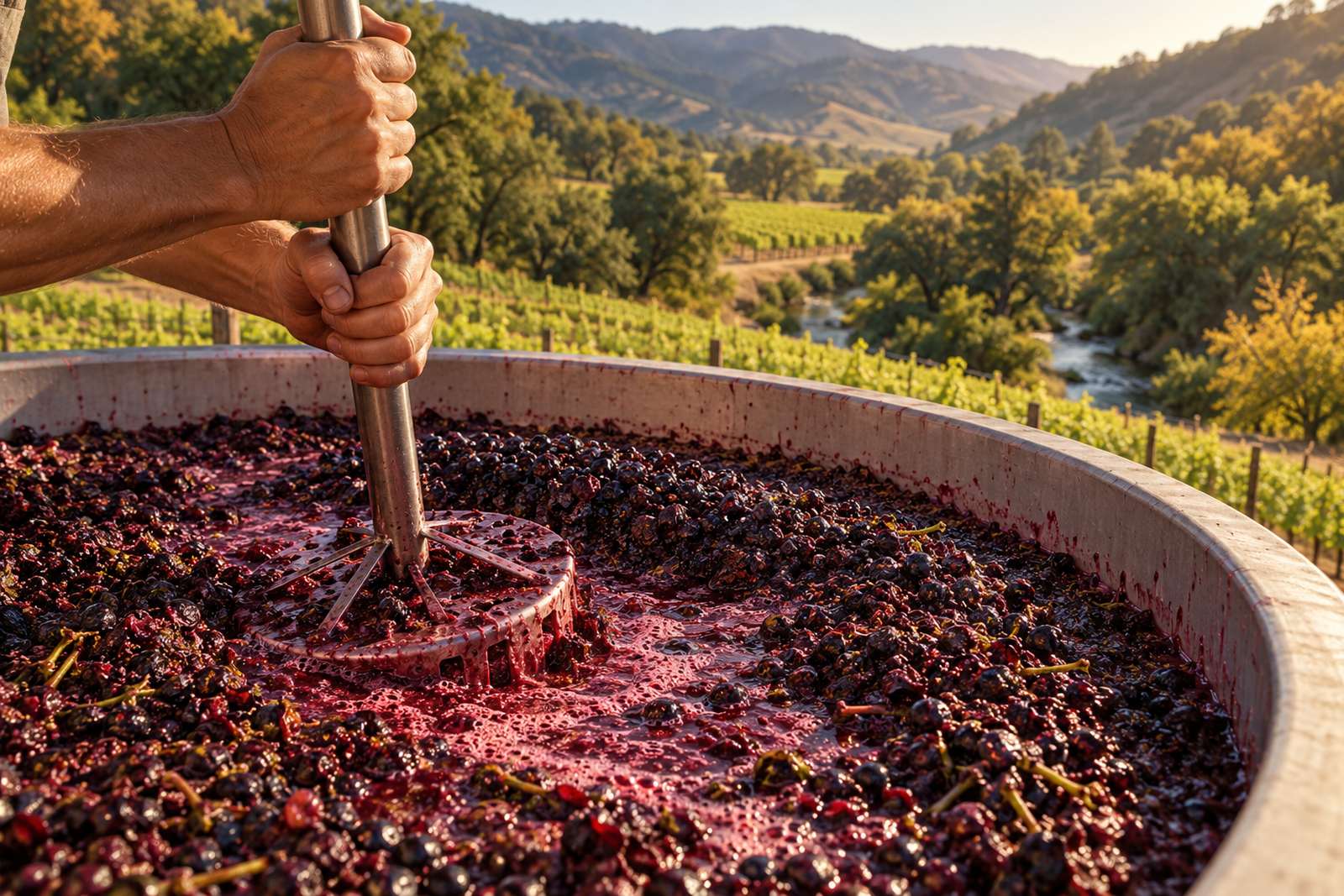
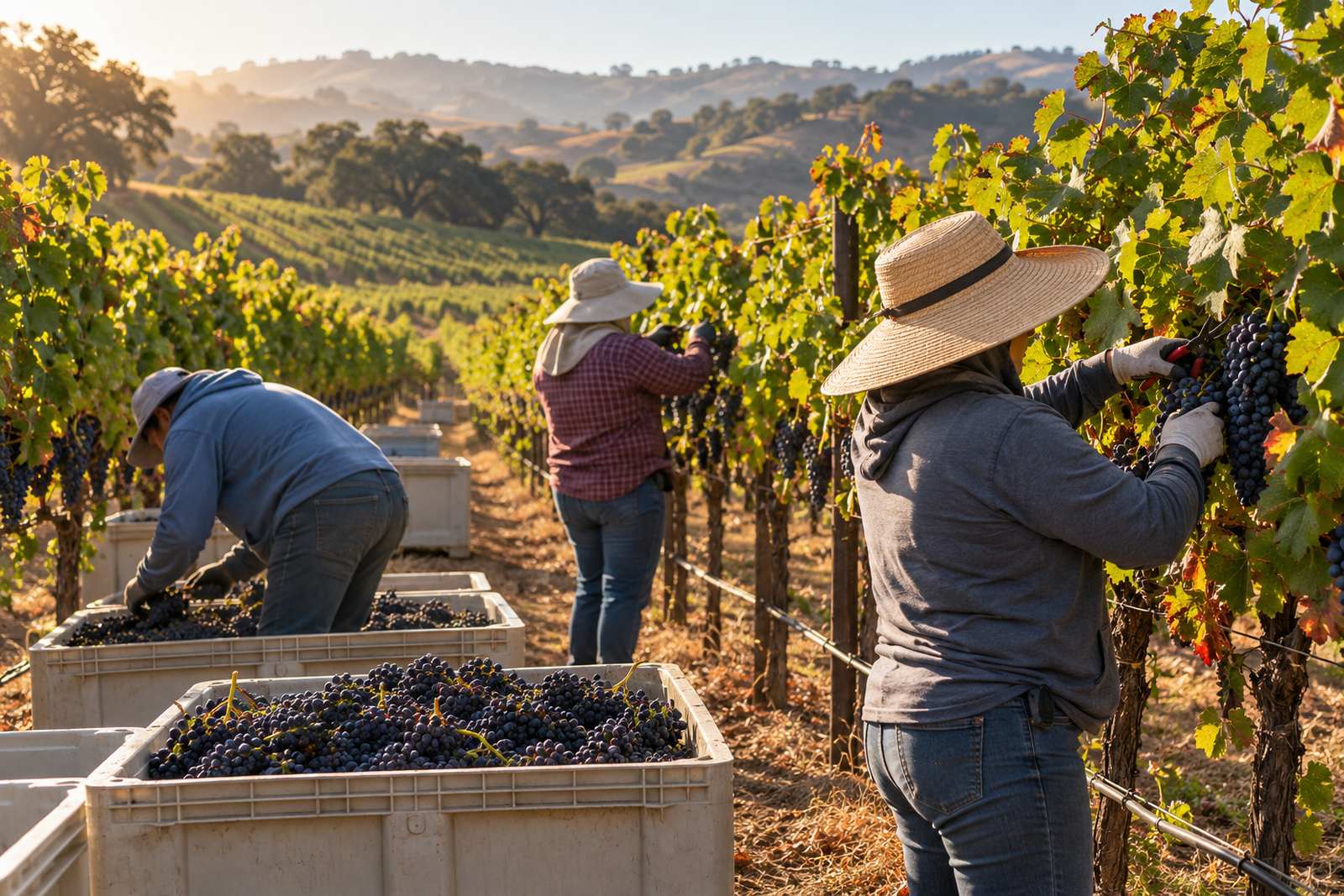
Fourth-generation Rafanelli, daughter of David and Patty Rafanelli, great-granddaughter of Italian immigrants Letizia and Alberto Rafanelli who arrived in Healdsburg in 1911. Shelly grew up in the family business — working the bottling line and tasting room as a teenager — before earning her degree in agricultural business from Cal Poly San Luis Obispo in 1996, supplemented with enology classes at UC Davis. She joined the winery full-time after graduation, working alongside her father, and was appointed head winemaker in 2000, the role she has held for 26 years. Her husband Craig Fehlman directs all vineyard operations. Her winemaking style is intentionally traditional, descended directly from grandfather Americo's: minimal intervention, fermenter punch-downs starting at 5 a.m. in harvest, hand sorting and crushing, traditional aging, no redesigned label since the founding generation. She convinced her father in the late 1990s to let her plant Merlot — initially just 500 cases — and added it to the portfolio after he tasted it. Production stays at about 10,000 to 11,000 cases a year of Zinfandel, Cabernet Sauvignon, and Merlot, sold primarily through the mailing list with a small selection of West Coast restaurants. Eric Asimov named the 2018 Cabernet Sauvignon among his most memorable wines of 2023.

David Rafanelli is the third-generation proprietor who built A. Rafanelli’s modern reputation. The winery’s roots reach to the early 1900s, when Italian immigrants Alberto and Letizia Rafanelli settled near Healdsburg — Letizia, from a Tuscan winemaking family, taught the craft. David’s father Americo moved the operation to its Dry Creek hilltop and released the first A. Rafanelli label in 1973. When Americo died in 1986, David and his wife Patty took over, winning early gold medals, planting hillside vineyards, and digging the estate’s wine caves. Their daughter Shelly, the fourth generation, is now winemaker.
Update your editorial to go live.
UpdateReview your current editorial on the left. Submit changes in the matching fields on the right — leave any field blank if no change is needed.
1. Update one section at a time using its SEND button.
2. Each SEND creates a provisional draft — your live page is not updated yet.
3. Complete the final submission at the bottom to approve and publish.
Your editorial page and submission form are always accessible through this page — and only to you. Update anytime.
Dry Creek Valley Zinfandel — The wine that made Rafanelli's name: a famed, dry-farmed estate Zin with blackberry-jam fruit, white-pepper spice and notes of vanilla and anise, exceptionally balanced and built to age.
Terrace Select Cabernet Sauvignon, Dry Creek Valley — The portfolio's flagship, selected from the best blocks of the Terraced Hillside vineyard and aged 36 months in new French oak, bottled unfined and unfiltered.
Estate Merlot, Dry Creek Valley — Charming and supple, rounding out a small, focused lineup of estate reds.
The Rafanelli family has grown grapes in Dry Creek Valley since the early 1900s, with four generations carrying on a quality-over-quantity tradition. Rashell 'Shelly' Rafanelli is head winemaker; the wines are sold almost exclusively at the appointment-only winery.
A. Rafanelli is the quiet legend of Dry Creek Valley — a family operation that has farmed the same estate since 1974, making Zinfandel and Cabernet that are sold almost entirely through the mailing list. No website, no widespread distribution, no fanfare. The wines are honest, beautifully structured expressions of Dry Creek terroir, and the Rafanelli family's commitment to restraint and consistency over decades has earned them a fiercely loyal following. If you can get on the list, do it.
The tasting itself is refreshingly uncomplicated: a casual pour hosted by a Rafanelli family member, typically on the patio behind the winery overlooking terraced hillside vineyards. Parties are limited to six guests, tastings are $25 per person, and reservations must be made by phone — the family doesn't use email. Their Zinfandel is the benchmark: concentrated but structured, built on generations of old-vine estate fruit. The Cabernet Sauvignon and Merlot are just as serious. Wines are sold only at the winery, which is part of the point.
Fourth-generation Rafanelli, daughter of David and Patty Rafanelli, great-granddaughter of Italian immigrants Letizia and Alberto Rafanelli who arrived in Healdsburg in 1911. Shelly grew up in the family business — working the bottling line and tasting room as a teenager — before earning her degree in agricultural business from Cal Poly San Luis Obispo in 1996, supplemented with enology classes at UC Davis. She joined the winery full-time after graduation, working alongside her father, and was appointed head winemaker in 2000, the role she has held for 26 years. Her husband Craig Fehlman directs all vineyard operations. Her winemaking style is intentionally traditional, descended directly from grandfather Americo's: minimal intervention, fermenter punch-downs starting at 5 a.m. in harvest, hand sorting and crushing, traditional aging, no redesigned label since the founding generation. She convinced her father in the late 1990s to let her plant Merlot — initially just 500 cases — and added it to the portfolio after he tasted it. Production stays at about 10,000 to 11,000 cases a year of Zinfandel, Cabernet Sauvignon, and Merlot, sold primarily through the mailing list with a small selection of West Coast restaurants. Eric Asimov named the 2018 Cabernet Sauvignon among his most memorable wines of 2023.
David Rafanelli is the third-generation proprietor who built A. Rafanelli’s modern reputation. The winery’s roots reach to the early 1900s, when Italian immigrants Alberto and Letizia Rafanelli settled near Healdsburg — Letizia, from a Tuscan winemaking family, taught the craft. David’s father Americo moved the operation to its Dry Creek hilltop and released the first A. Rafanelli label in 1973. When Americo died in 1986, David and his wife Patty took over, winning early gold medals, planting hillside vineyards, and digging the estate’s wine caves. Their daughter Shelly, the fourth generation, is now winemaker.
Please submit your images separately — they're handled by a different department and will be processed alongside your editorial update.