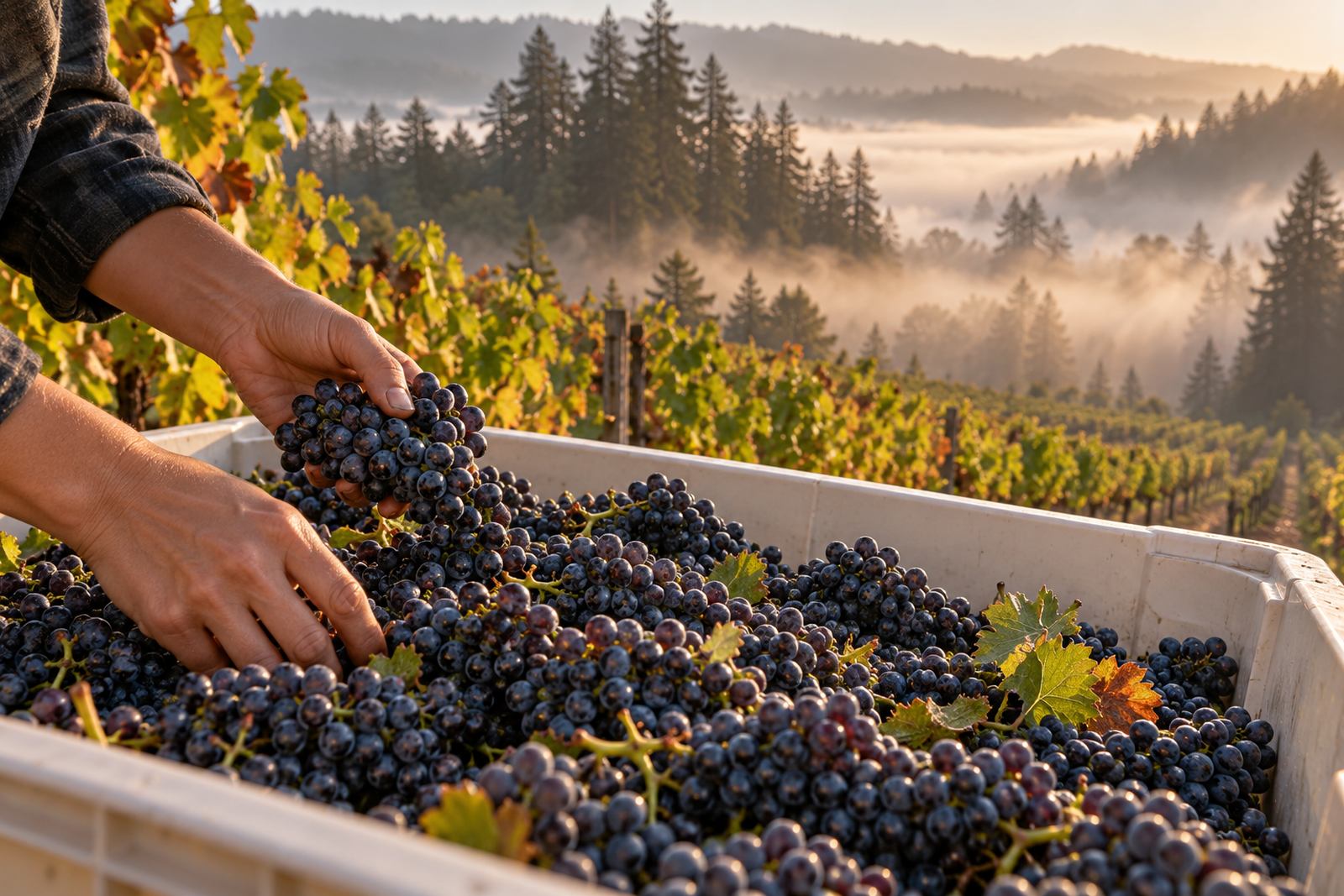
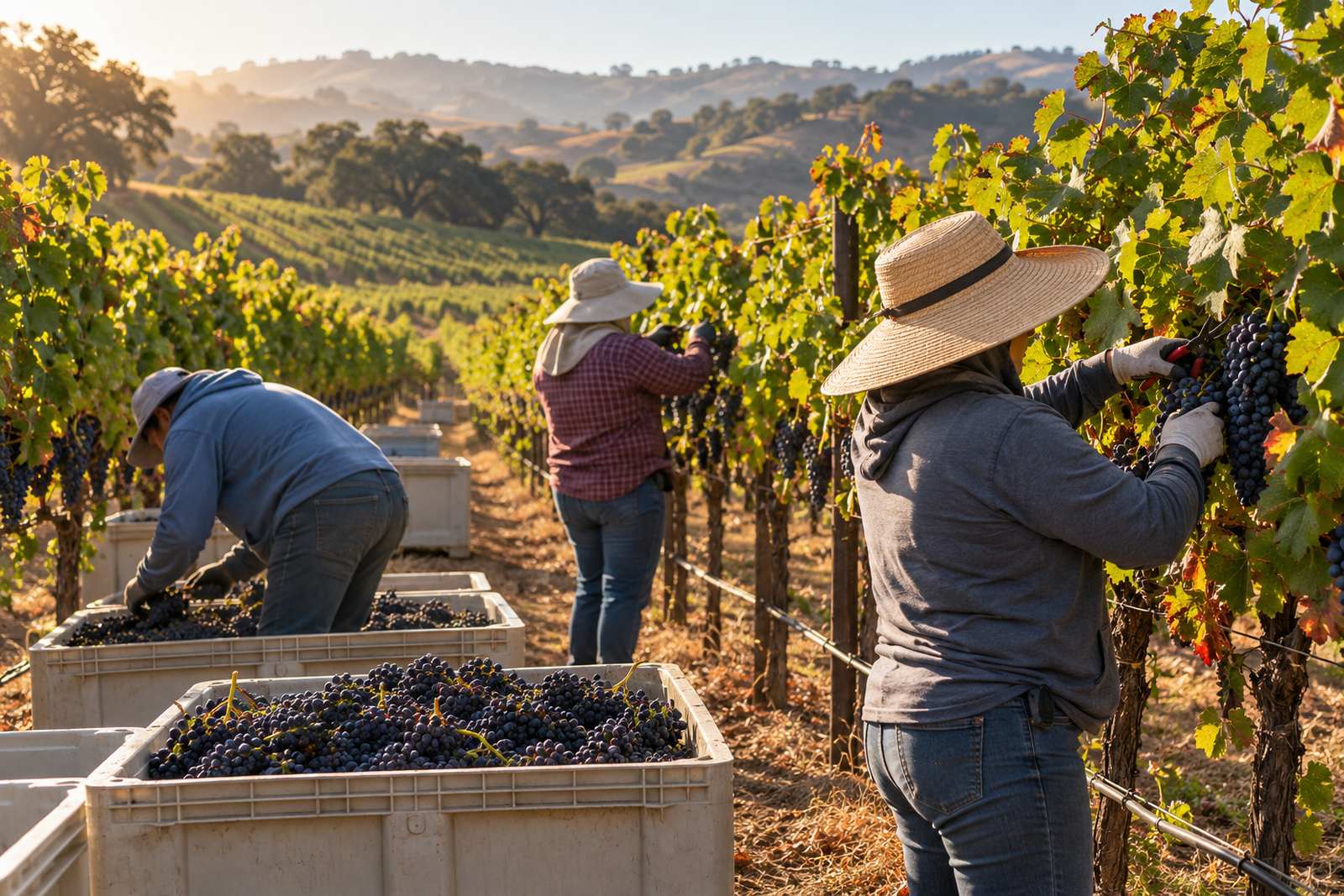
The Bacigalupi family has farmed Westside Road since 1956, when Charles and Helen, a dentist and pharmacist, bought the Goddard Ranch. Their 1964 Wente-clone Chardonnay went into the 1973 Chateau Montelena that won the 1976 Paris Tasting. The estate label launched in 2011; four generations farm under winemaker Ashley Herzberg.


Charles and Helen Bacigalupi — a dentist and pharmacist — purchased the 121-acre Goddard Ranch on Westside Road in 1956. Their friend Paul Heck of Korbel Champagne Cellars urged them to plant premium grapes, and in 1964 Charles put in six acres each of Chardonnay and Pinot Noir using Wente clone bud wood obtained from Karl Wente in Livermore. The plantings are credited as some of the first Chardonnay and Pinot Noir in the Russian River Valley, in line with Rochioli, Joseph Swan, and Davis Bynum. In 1973 the family sold fourteen tons of Chardonnay to winemaker Mike Grgich at Chateau Montelena — fruit that made up 40% of the wine that triumphed at the 1976 Paris Tasting and forever changed the world's view of California wine.
Renouveau “Paris Tasting” Chardonnay, Russian River Valley — From the historic block whose fruit made up 40% of the 1973 Chateau Montelena that won the 1976 Judgment of Paris (Wine Enthusiast 94).
Estate Pinot Noir, Russian River Valley — Middle Reach Pinot from vines the family pioneered in the 1960s.
Estate Zinfandel, Russian River Valley — From the family's Goldilocks-warm Westside Road benches.
Estate Petite Sirah, Russian River Valley — Inky and structured, with violets and licorice (Wine Enthusiast 92).
Fondare — The estate's proprietary red blend, from a four-generation grower whose fruit goes to Williams Selyem, Gary Farrell, and Kosta Browne.
For decades the Bacigalupis were growers first, selling fruit to top Russian River producers and continuing to farm the original 1964 Chardonnay block. In 2011 the family launched their own label, producing about ten percent of their fruit under the Bacigalupi Vineyards name. The tasting room — a welcoming barn on the property at 4353 Westside Road — is run by twin sisters Katey and Nicole Bacigalupi, the third generation. Winemaker Ashley Herzberg leads production, partnering closely with John Bacigalupi on vineyard decisions. The estate is open Wednesday through Monday by reservation; the wine-and-cheese pairing flight runs about an hour and showcases five estate wines with Sonoma County artisan cheeses. The fourth generation has now joined the family business.

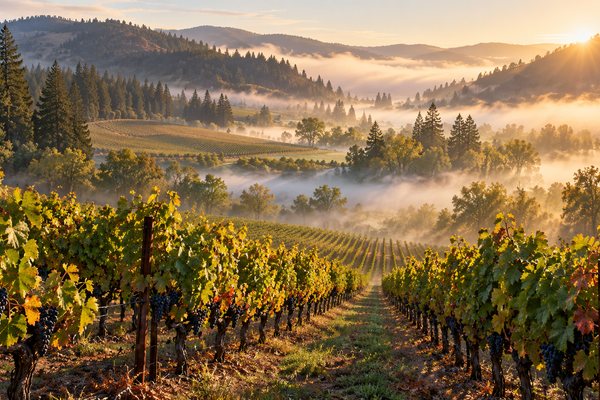
Ashley Herzberg set out to be a doctor — earning a chemical engineering degree at the University of Nevada, Reno, and working four years in a hospital — before a harvest in Sonoma changed her course. She began as a lab technician at Owl Ridge Wine Services, rising to lab manager and learning from Pinot Noir luminaries like Merry Edwards and Greg La Follette, then became enologist and assistant winemaker at Mauritson. Now a consulting winemaker, she has crafted Bacigalupi's wines since the label's revival, making its inaugural 2011 Chardonnay and every vintage since. She works with a fourth-generation grape-growing family whose Westside Road fruit famously went into the 1973 Chardonnay that triumphed at the 1976 Judgment of Paris. Bringing a scientist's rigor and a minimal-intervention touch, Herzberg lets the historic Russian River Valley vineyards speak across Pinot Noir, Chardonnay, Zinfandel, and Petite Sirah.

John Bacigalupi has farmed his family’s Westside Road vineyards his whole life. His parents, Charles — a dentist — and Helen — a pharmacist — bought the Goddard Ranch in 1956 and in 1964 planted the Wente-clone Chardonnay block whose fruit went into Chateau Montelena’s 1973 Chardonnay, the white that triumphed at the 1976 Judgment of Paris. John worked the vines alongside his father and famously delivered those grapes in the family’s VW pickup. He still tends the historic Paris Tasting Block — among California’s oldest Chardonnay vines — while a new generation of Bacigalupis now carries the family label forward.
Update your editorial to go live.
UpdateReview your current editorial on the left. Submit changes in the matching fields on the right — leave any field blank if no change is needed.
1. Update one section at a time using its SEND button.
2. Each SEND creates a provisional draft — your live page is not updated yet.
3. Complete the final submission at the bottom to approve and publish.
Your editorial page and submission form are always accessible through this page — and only to you. Update anytime.
Renouveau “Paris Tasting” Chardonnay, Russian River Valley — From the historic block whose fruit made up 40% of the 1973 Chateau Montelena that won the 1976 Judgment of Paris (Wine Enthusiast 94).
Estate Pinot Noir, Russian River Valley — Middle Reach Pinot from vines the family pioneered in the 1960s.
Estate Zinfandel, Russian River Valley — From the family's Goldilocks-warm Westside Road benches.
Estate Petite Sirah, Russian River Valley — Inky and structured, with violets and licorice (Wine Enthusiast 92).
Fondare — The estate's proprietary red blend, from a four-generation grower whose fruit goes to Williams Selyem, Gary Farrell, and Kosta Browne.
Charles and Helen Bacigalupi — a dentist and pharmacist — purchased the 121-acre Goddard Ranch on Westside Road in 1956. Their friend Paul Heck of Korbel Champagne Cellars urged them to plant premium grapes, and in 1964 Charles put in six acres each of Chardonnay and Pinot Noir using Wente clone bud wood obtained from Karl Wente in Livermore. The plantings are credited as some of the first Chardonnay and Pinot Noir in the Russian River Valley, in line with Rochioli, Joseph Swan, and Davis Bynum. In 1973 the family sold fourteen tons of Chardonnay to winemaker Mike Grgich at Chateau Montelena — fruit that made up 40% of the wine that triumphed at the 1976 Paris Tasting and forever changed the world's view of California wine.
For decades the Bacigalupis were growers first, selling fruit to top Russian River producers and continuing to farm the original 1964 Chardonnay block. In 2011 the family launched their own label, producing about ten percent of their fruit under the Bacigalupi Vineyards name. The tasting room — a welcoming barn on the property at 4353 Westside Road — is run by twin sisters Katey and Nicole Bacigalupi, the third generation. Winemaker Ashley Herzberg leads production, partnering closely with John Bacigalupi on vineyard decisions. The estate is open Wednesday through Monday by reservation; the wine-and-cheese pairing flight runs about an hour and showcases five estate wines with Sonoma County artisan cheeses. The fourth generation has now joined the family business.

Ashley Herzberg set out to be a doctor — earning a chemical engineering degree at the University of Nevada, Reno, and working four years in a hospital — before a harvest in Sonoma changed her course. She began as a lab technician at Owl Ridge Wine Services, rising to lab manager and learning from Pinot Noir luminaries like Merry Edwards and Greg La Follette, then became enologist and assistant winemaker at Mauritson. Now a consulting winemaker, she has crafted Bacigalupi's wines since the label's revival, making its inaugural 2011 Chardonnay and every vintage since. She works with a fourth-generation grape-growing family whose Westside Road fruit famously went into the 1973 Chardonnay that triumphed at the 1976 Judgment of Paris. Bringing a scientist's rigor and a minimal-intervention touch, Herzberg lets the historic Russian River Valley vineyards speak across Pinot Noir, Chardonnay, Zinfandel, and Petite Sirah.
John Bacigalupi has farmed his family’s Westside Road vineyards his whole life. His parents, Charles — a dentist — and Helen — a pharmacist — bought the Goddard Ranch in 1956 and in 1964 planted the Wente-clone Chardonnay block whose fruit went into Chateau Montelena’s 1973 Chardonnay, the white that triumphed at the 1976 Judgment of Paris. John worked the vines alongside his father and famously delivered those grapes in the family’s VW pickup. He still tends the historic Paris Tasting Block — among California’s oldest Chardonnay vines — while a new generation of Bacigalupis now carries the family label forward.
Please submit your images separately — they're handled by a different department and will be processed alongside your editorial update.