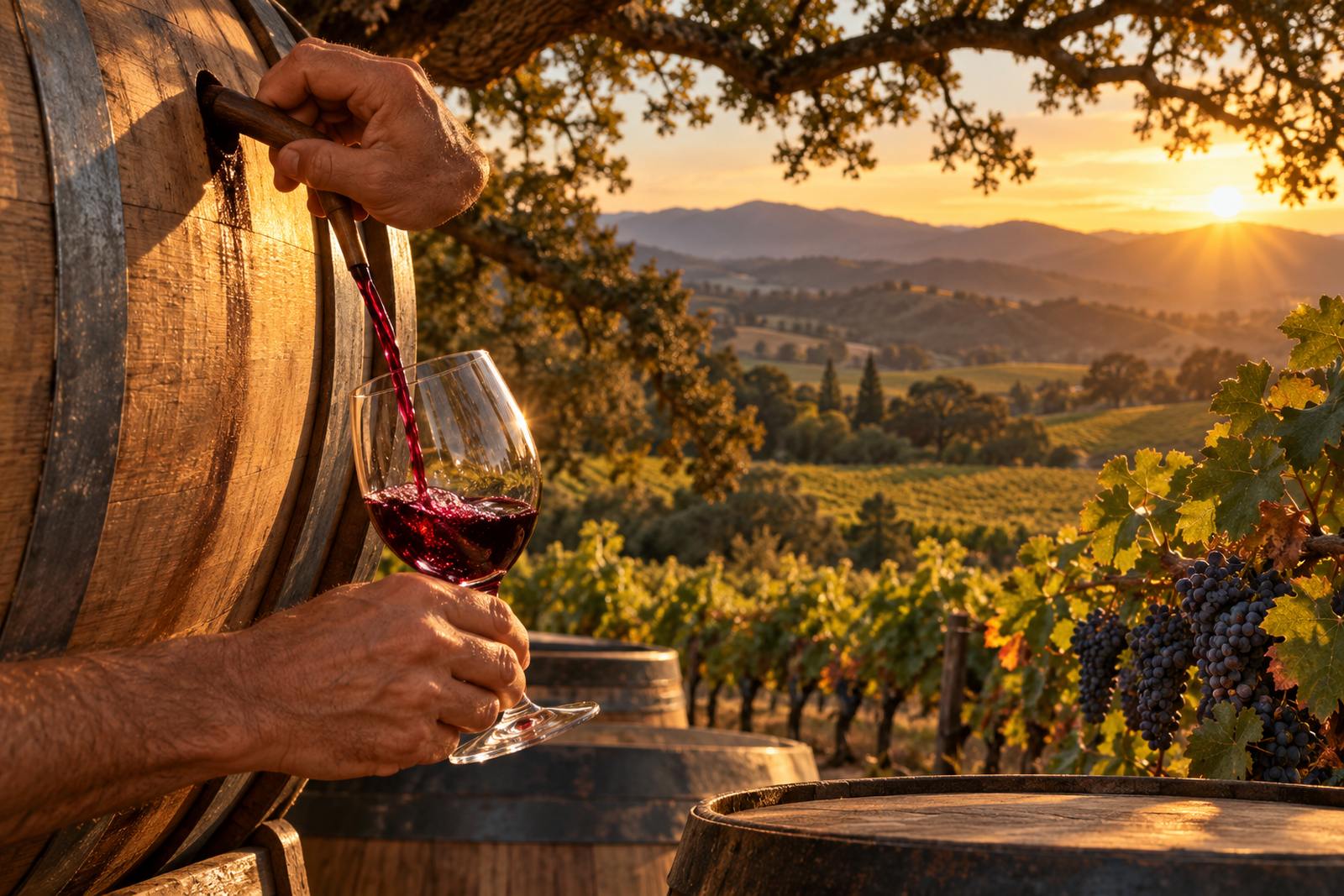
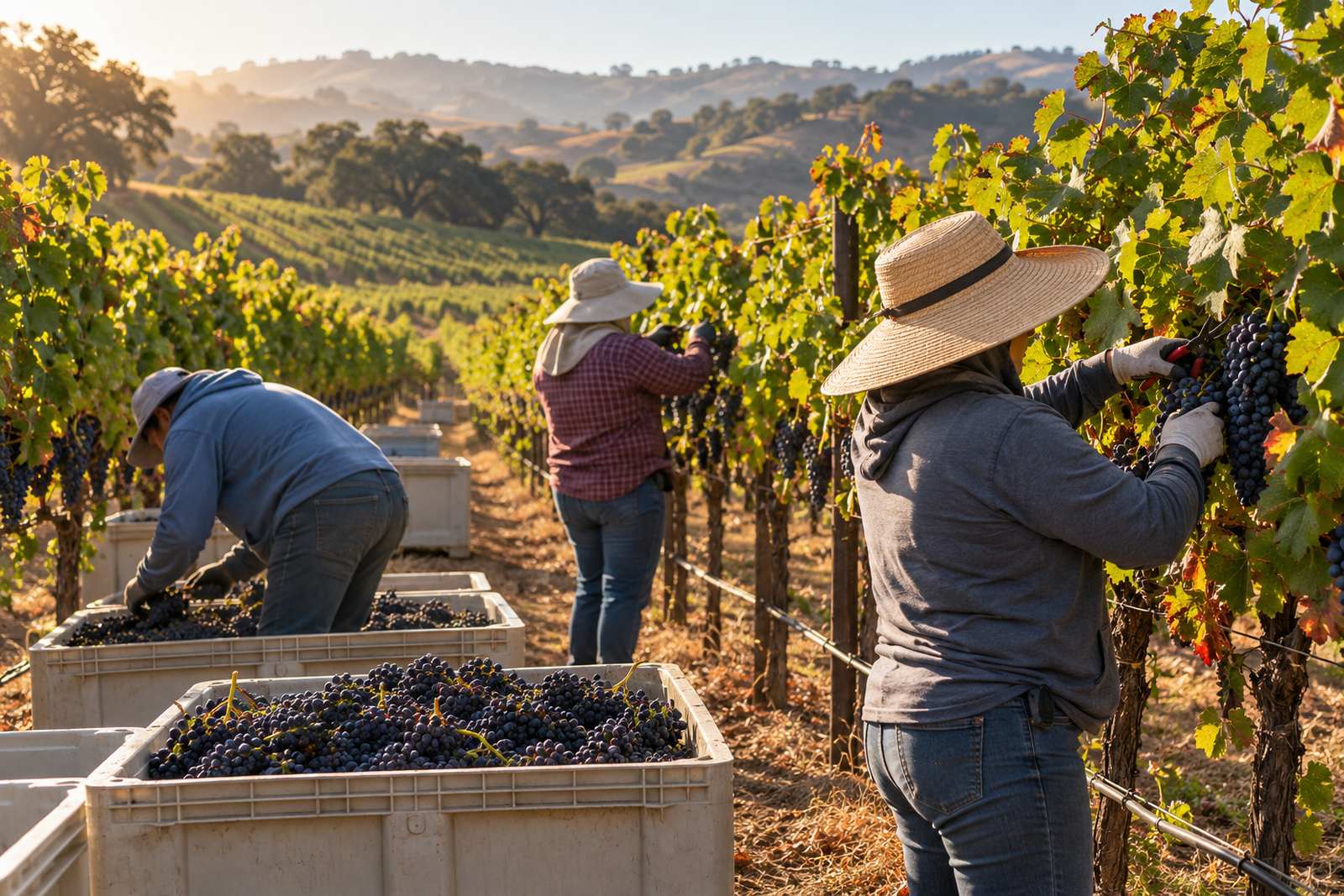
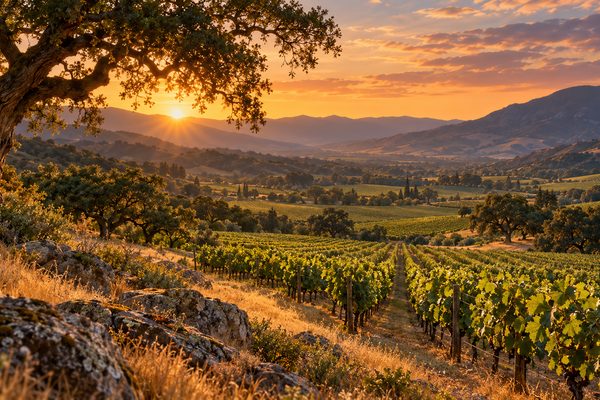
Bartholomew Estate sits on the original 1857 Haraszthy property, birthplace of California's premium wine. The Bartholomew Foundation owns the 375-acre site, opened it as a public park, and funds preservation through the winery. Estate tastings, hiking, horseback rides, and an art gallery in a historic corner of Sonoma Valley.


In 1857, Count Agoston Haraszthy purchased this stretch of land east of Sonoma and built what would become Buena Vista — California's first commercial premium winery, the first to use hand-dug caves, the first to dry-farm. After Haraszthy departed for Nicaragua in 1868 and the property changed hands repeatedly, it lay largely fallow for half a century. In 1943, war correspondent Frank "Bart" Bartholomew bought the 485-acre ranch at a state auction as a birthday gift for his wife Antonia, unaware of the property's history. When they discovered the old caves and ruined press house, Antonia vowed to "return the great name of Haraszthy and his tradition of fine winemaking to the wine trade." She made good on it — releasing the first Buena Vista estate vintage in 1949 and rebuilding the property over the next four decades.
Estate Zinfandel, Sonoma Valley — Grown on the historic Haraszthy/Buena Vista site, certified-organic estate fruit; a nod to the Zinfandel the Bartholomews first found in the ruins.
Estate Cabernet Sauvignon, Sonoma Valley — From the 22-acre certified-organic estate in Bartholomew Park.
Sauvignon Blanc — Bright and bracing with melon, apricot, and lime; a tasting-room favorite.
Marsanne Roussanne, Fifth Hill Vineyard — A classic single-vineyard Rhône white blend.
Estate Syrah — Rounding out the estate reds from winemaker Kevin Holt.
The Bartholomews eventually sold the Buena Vista brand but kept the original Haraszthy land in trust, establishing the Bartholomew Foundation to preserve the estate in perpetuity. Bartholomew Estate Winery opened in April 2019, fulfilling the foundation's mandate for an operational winery whose profits sustain the park. Production runs 3,000–5,000 cases of estate-grown wine across roughly 11 bottlings — Zinfandel, Sauvignon Blanc, Cabernet, and the prized Viviano Syrah from a six-acre block named for the 1832 vineyard that started everything. Open daily 11–4:30, with 3.5 miles of public hiking trails, an art gallery in the tasting room, and horseback rides through the vineyards via Sonoma Valley Trail Rides. Dog-friendly. The estate where California wine began, kept alive by the foundation that owns it.

Kevin Holt has made wine in Northern California for more than twenty years. A Southern California native and graduate of UC Davis's enology program, he worked first in retail and wholesale wine sales before moving into production, serving as assistant winemaker at Artesa in Carneros and as head winemaker at MacRostie and Beltane Ranch. In 2019 he partnered with Anna Pope, trustee of the Frank H. Bartholomew Foundation, to launch Bartholomew Estate Winery on the historic Sonoma Valley property that was once Agoston Haraszthy's estate — the birthplace of California viticulture. He farms the certified-sustainable estate vineyards to Sauvignon Blanc, Zinfandel, Cabernet Sauvignon, and Syrah, with a light-handed philosophy he frames as artful, well-timed intervention: knowing when to shape the wine and when to let the vineyard speak.

When Antonia Bartholomew and her husband, war correspondent Frank “Bart” Bartholomew, bought a derelict ranch at a 1943 state auction, they discovered they had acquired the very ground where Count Agoston Haraszthy launched California’s premium wine industry. Antonia vowed to “return the great name of Haraszthy” to the wine trade — and over nearly fifty years she rebuilt the ruins, replanted the vineyards, and established a wine legacy on the historic Sonoma estate. The couple placed the land in the nonprofit Frank H. Bartholomew Foundation, which still owns the winery today; every visit and bottle supports the surrounding 375-acre park.
Update your editorial to go live.
UpdateReview your current editorial on the left. Submit changes in the matching fields on the right — leave any field blank if no change is needed.
1. Update one section at a time using its SEND button.
2. Each SEND creates a provisional draft — your live page is not updated yet.
3. Complete the final submission at the bottom to approve and publish.
Your editorial page and submission form are always accessible through this page — and only to you. Update anytime.
Estate Zinfandel, Sonoma Valley — Grown on the historic Haraszthy/Buena Vista site, certified-organic estate fruit; a nod to the Zinfandel the Bartholomews first found in the ruins.
Estate Cabernet Sauvignon, Sonoma Valley — From the 22-acre certified-organic estate in Bartholomew Park.
Sauvignon Blanc — Bright and bracing with melon, apricot, and lime; a tasting-room favorite.
Marsanne Roussanne, Fifth Hill Vineyard — A classic single-vineyard Rhône white blend.
Estate Syrah — Rounding out the estate reds from winemaker Kevin Holt.
In 1857, Count Agoston Haraszthy purchased this stretch of land east of Sonoma and built what would become Buena Vista — California's first commercial premium winery, the first to use hand-dug caves, the first to dry-farm. After Haraszthy departed for Nicaragua in 1868 and the property changed hands repeatedly, it lay largely fallow for half a century. In 1943, war correspondent Frank "Bart" Bartholomew bought the 485-acre ranch at a state auction as a birthday gift for his wife Antonia, unaware of the property's history. When they discovered the old caves and ruined press house, Antonia vowed to "return the great name of Haraszthy and his tradition of fine winemaking to the wine trade." She made good on it — releasing the first Buena Vista estate vintage in 1949 and rebuilding the property over the next four decades.
The Bartholomews eventually sold the Buena Vista brand but kept the original Haraszthy land in trust, establishing the Bartholomew Foundation to preserve the estate in perpetuity. Bartholomew Estate Winery opened in April 2019, fulfilling the foundation's mandate for an operational winery whose profits sustain the park. Production runs 3,000–5,000 cases of estate-grown wine across roughly 11 bottlings — Zinfandel, Sauvignon Blanc, Cabernet, and the prized Viviano Syrah from a six-acre block named for the 1832 vineyard that started everything. Open daily 11–4:30, with 3.5 miles of public hiking trails, an art gallery in the tasting room, and horseback rides through the vineyards via Sonoma Valley Trail Rides. Dog-friendly. The estate where California wine began, kept alive by the foundation that owns it.

Kevin Holt has made wine in Northern California for more than twenty years. A Southern California native and graduate of UC Davis's enology program, he worked first in retail and wholesale wine sales before moving into production, serving as assistant winemaker at Artesa in Carneros and as head winemaker at MacRostie and Beltane Ranch. In 2019 he partnered with Anna Pope, trustee of the Frank H. Bartholomew Foundation, to launch Bartholomew Estate Winery on the historic Sonoma Valley property that was once Agoston Haraszthy's estate — the birthplace of California viticulture. He farms the certified-sustainable estate vineyards to Sauvignon Blanc, Zinfandel, Cabernet Sauvignon, and Syrah, with a light-handed philosophy he frames as artful, well-timed intervention: knowing when to shape the wine and when to let the vineyard speak.
When Antonia Bartholomew and her husband, war correspondent Frank “Bart” Bartholomew, bought a derelict ranch at a 1943 state auction, they discovered they had acquired the very ground where Count Agoston Haraszthy launched California’s premium wine industry. Antonia vowed to “return the great name of Haraszthy” to the wine trade — and over nearly fifty years she rebuilt the ruins, replanted the vineyards, and established a wine legacy on the historic Sonoma estate. The couple placed the land in the nonprofit Frank H. Bartholomew Foundation, which still owns the winery today; every visit and bottle supports the surrounding 375-acre park.
Please submit your images separately — they're handled by a different department and will be processed alongside your editorial update.