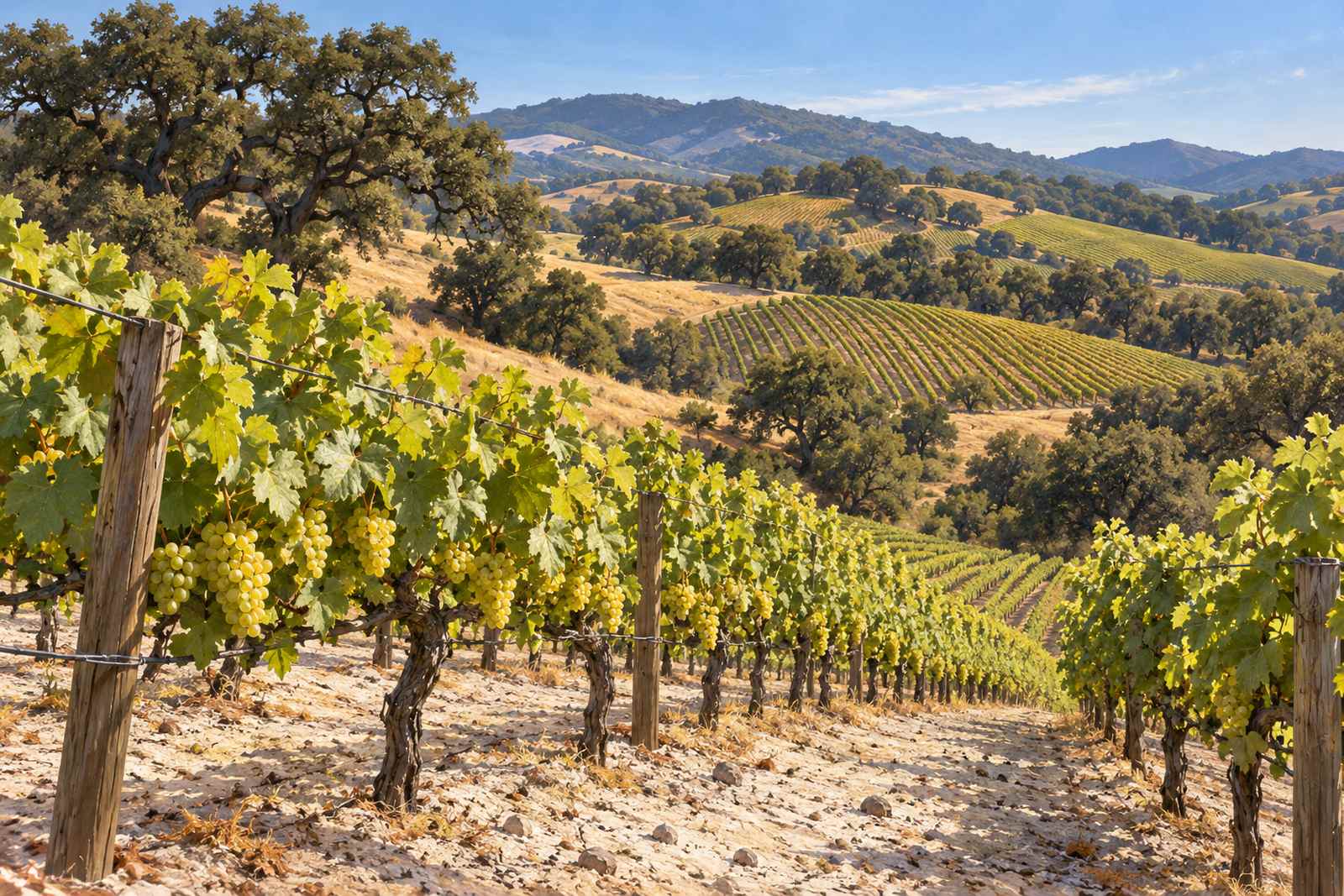
The pioneering estate of its appellation, Chalk Hill was one of the first wineries to recognize the potential of the volcanic ash soils that give the AVA its name. Founded in 1972 by Frederick Furth and developed into a 1,300-acre showpiece estate, it set the standard for Chardonnay and Sauvignon Blanc grown above the fog line. The chalky white tuff soils, drawn from ancient volcanic eruptions of Mount St. Helena, produce wines of distinctive mineral tension at yields lower than surrounding appellations. The estate changed ownership in 2010 but the vineyards and their irreplaceable old vines remain the defining asset.
Estate Chardonnay, Chalk Hill: the flagship, rich, creamy and age-worthy from the volcanic-tuff hillsides, with baked bread, pear and hazelnut.
Estate Sauvignon Blanc, Chalk Hill: a bright, layered white (often with Sauvignon Gris and Musqué) showing citrus, apricot and fresh acidity.
Estate Red, Chalk Hill: a dense, structured Bordeaux blend with black cherry, vanilla and roasted coffee; built to age 15 years.
Estate Cabernet Sauvignon, Chalk Hill: youthful, full-bodied hillside Cabernet framed by firm tannins.
Estate Syrah, Chalk Hill: a small-lot, dark-fruited estate red.
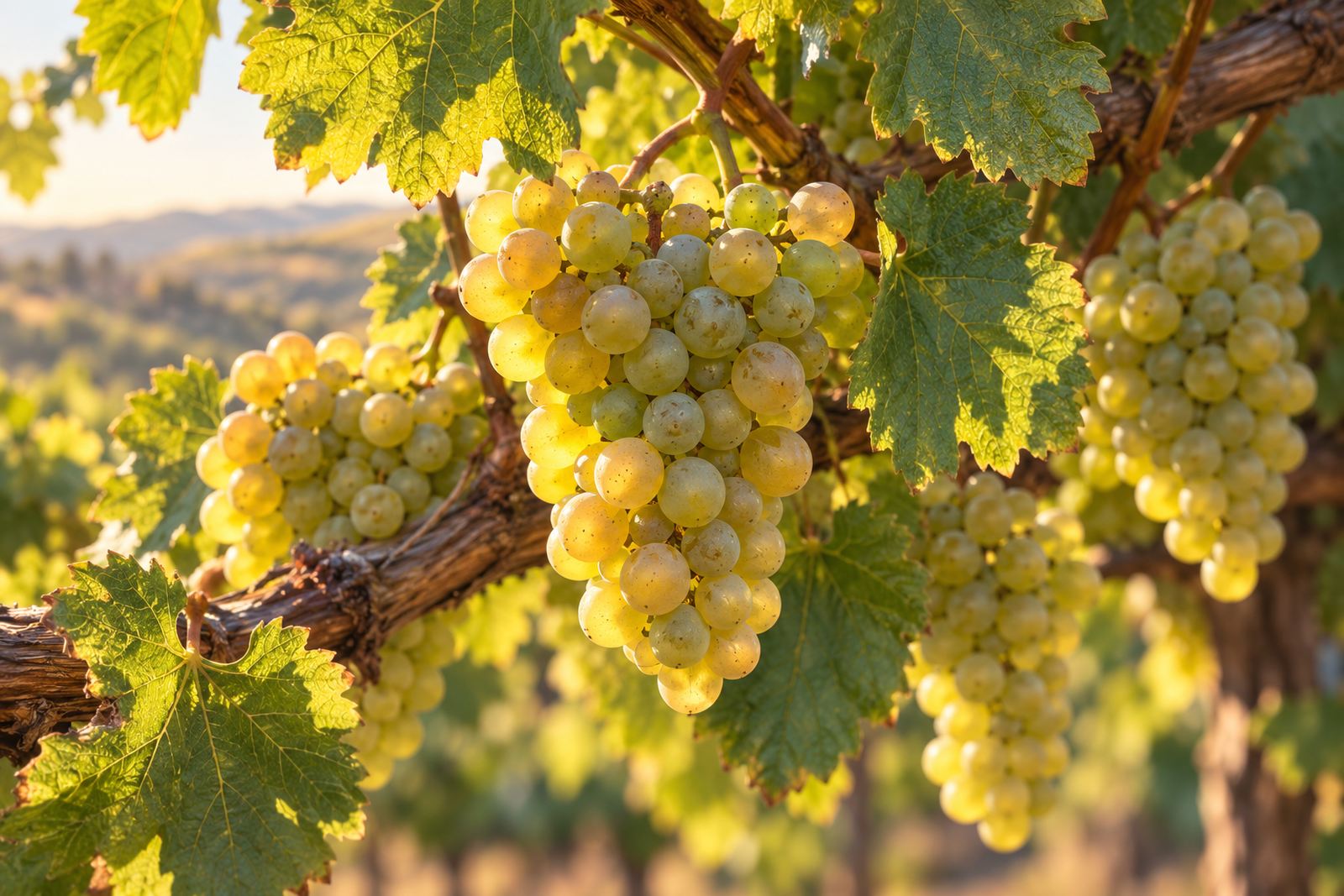
The estate's 300 acres of vines began with the Founder's Block, 11 acres of Chardonnay, and were replanted with the top six clones from a UC Davis Chardonnay clonal trial run on the estate, its wines judged over the 1999 to 2003 vintages; 23 Chardonnay clones now grow here. Winemaker Darrell Holbrook, in the Chalk Hill cellar since 1994, leads the program, and Merlot and Cabernet Franc round out the Bordeaux reds.
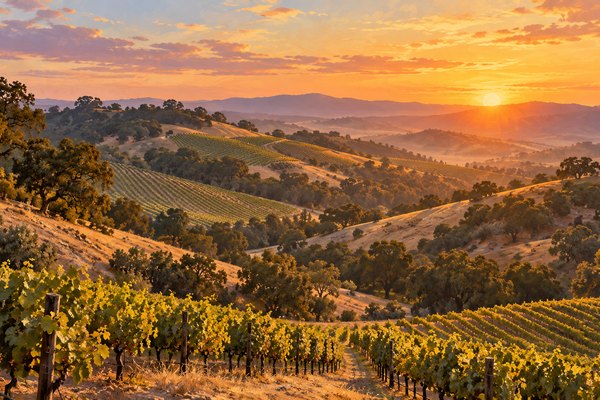
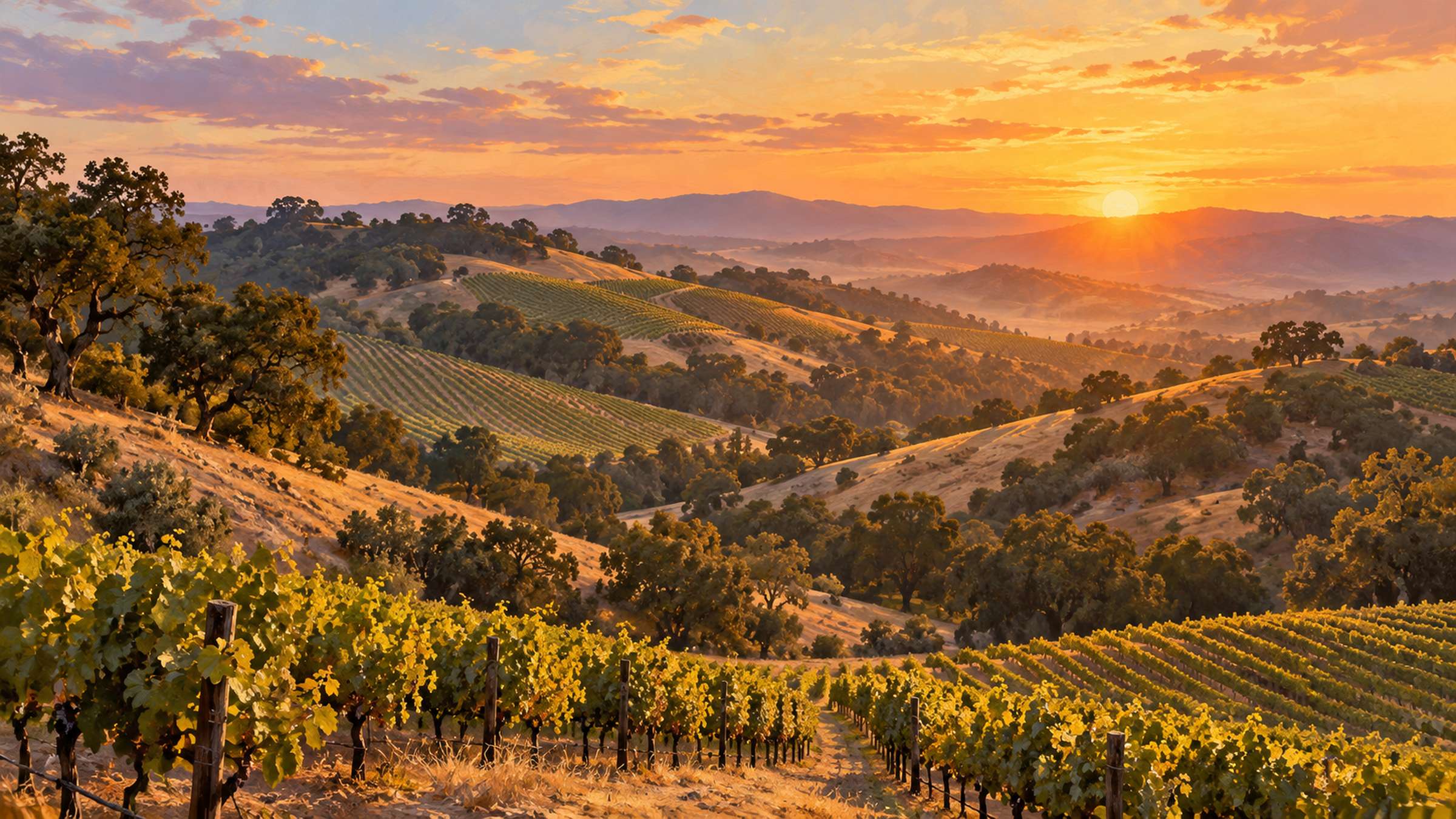
Chalk Hill Estate Vineyards is the appellation's founding voice: 1,300 acres, some 850 of them wild grassland and heritage oak forest, with a patchwork of 60 separate small vineyards meandering through the volcanic tuff soils that give Chalk Hill its name. The tasting pavilion sits at elevation with panoramic vineyard views and pairs seated Estate tastings with seasonal culinary bites featuring Journeyman Meat Company salumi, local artisan cheeses, and Rustic Bakery flatbreads. More immersive experiences include the Estate & Garden Hummer Tour, culinary garden walks, and extended multi-course wine and food pairings. The winemaking is estate-team led under the Foley Family Wines umbrella, with Chardonnay and Sauvignon Blanc as the house signatures alongside structured Cabernet Sauvignon from hillside blocks.