Founded in 1972 by David Stare, a Loire-inspired Bostonian who drove his family west, the first post-Prohibition bonded winery in Dry Creek Valley, the first to plant Sauvignon Blanc here, and the first to label an American wine 'Meritage.' Still family-owned. The Fumé Blanc is the benchmark; oak-shaded picnic grounds.


Dry Creek Vineyard was among the first to establish the valley as a serious wine appellation when David Stare founded it in 1972. For decades, the winery championed Sauvignon Blanc as a dry, food-friendly alternative at a time when sweet whites dominated the California market. Their Fumé Blanc remains a standard. The Zinfandels — particularly Heritage Clone — are consistently among the appellation's most reliable expressions, with good fruit, structure, and restraint.
Fumé Blanc, Sonoma County — The founding wine, made every vintage since 1972; David Stare was the first to plant Sauvignon Blanc in Dry Creek Valley and the first in Sonoma to release a Fumé Blanc. Crisp, citrus-driven and a perennial best value.
Heritage Vines Zinfandel, Sonoma County — A Wine Spectator Top 100 wine (2019), sourced from heritage selections; bright, balanced and built to age.
The Mariner, Dry Creek Valley — The flagship Meritage, a Bordeaux-style red blend echoing the winery's pioneering use of the term on a 1985 vintage.
Estate Cabernet Sauvignon, Dry Creek Valley — Terroir-driven and structured, with moderate alcohol and the good acidity that lets the estate's reds age gracefully.
Estate Block 10 Chardonnay, Dry Creek Valley — A small-production estate white from a single bench block, made in limited quantity.
Established in 1972 by David Stare, Dry Creek Valley's flagship winery is now led by his daughter Kim Stare Wallace. Known for its sailboat label and a 'No Compromises' philosophy, it farms 185 sustainably certified acres.
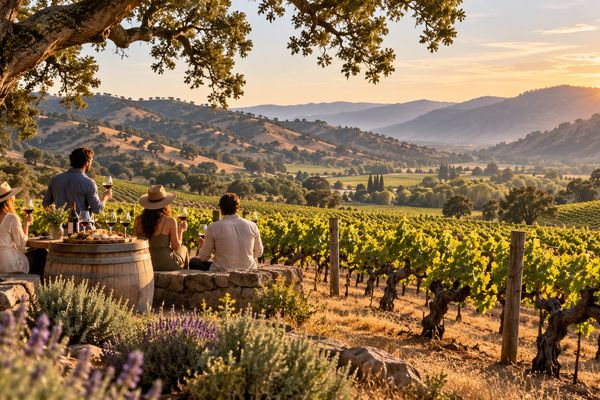
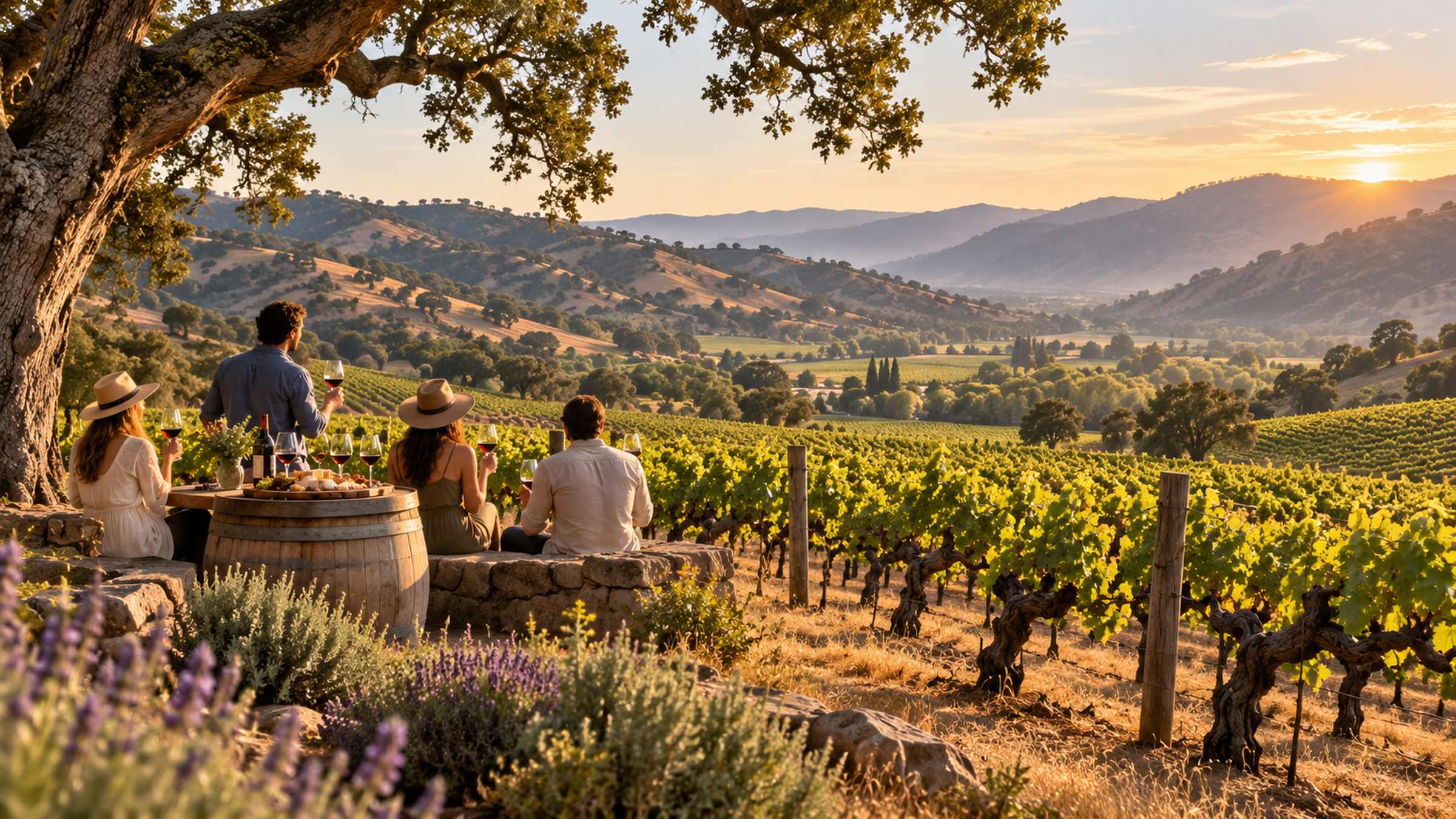
Founded in 1972 by David Stare, a Loire-inspired Bostonian who packed his family into a station wagon and drove west, Dry Creek Vineyard remains family-owned and operated — now led by Kim Stare Wallace and her husband Don. The tasting experience is among the most welcoming in the valley: picnic grounds shaded by oaks, bocce courts, and seated flights on the garden patio or inside the historic winery building. The Fumé Blanc is still the benchmark, but the single-vineyard Zinfandels and Bordeaux-style Mariner blend show the full range. Tastings run $30–$50 per guest, with charcuterie and picnic add-ons available.

UC Davis fermentation science graduate (1994) who came to wine through retail — working for Liquor Barn in Southern California after college sparked his curiosity. Bell did an early internship at Gloria Ferrer, then spent ten years at Freemark Abbey in Napa, with a stint at Kunde Family Vineyards in Sonoma before joining Dry Creek Vineyard as head winemaker in 2011. The 2011 harvest — his first at Dry Creek — was famously one of the most difficult in California memory; he has shaped the winery's program through 15 vintages since. His focus has been on continuing founder David Stare's Loire-inspired Sauvignon Blanc legacy alongside benchmark Old Vine Zinfandel from estate blocks, the Heritage Vines Zinfandel sourced from Mazzone-selection budwood across four estate vineyards, and the Mariner Bordeaux-style red blend. Dry Creek's Sauvignon Blanc and Fumé Blanc remain the house benchmarks; Wine & Spirits named Dry Creek Vineyard a Top 100 Winery during Bell's tenure, and Stare himself was anointed a “Wine Legend” by the Press Democrat in 2022, crediting Bell's “chutzpah” and willingness to experiment with unorthodox blends as carrying the founder's spirit forward.

David Stare is the pioneer who launched modern Dry Creek Valley. An MIT-trained engineer captivated by the wines of the Loire, he built the valley’s first new winery after Prohibition in 1972 — and planted its first Sauvignon Blanc despite experts insisting the grape was wrong for the region. He produced Sonoma’s first Fumé Blanc, championed the Dry Creek Valley appellation, and adorned his bottles with the now-iconic sailboat labels. Honored as an “American Wine Legend,” he remains a guiding presence; his daughter Kim Stare Wallace leads the family winery as president today.
Update your editorial to go live.
UpdateReview your current editorial on the left. Submit changes in the matching fields on the right — leave any field blank if no change is needed.
1. Update one section at a time using its SEND button.
2. Each SEND creates a provisional draft — your live page is not updated yet.
3. Complete the final submission at the bottom to approve and publish.
Your editorial page and submission form are always accessible through this page — and only to you. Update anytime.
Fumé Blanc, Sonoma County — The founding wine, made every vintage since 1972; David Stare was the first to plant Sauvignon Blanc in Dry Creek Valley and the first in Sonoma to release a Fumé Blanc. Crisp, citrus-driven and a perennial best value.
Heritage Vines Zinfandel, Sonoma County — A Wine Spectator Top 100 wine (2019), sourced from heritage selections; bright, balanced and built to age.
The Mariner, Dry Creek Valley — The flagship Meritage, a Bordeaux-style red blend echoing the winery's pioneering use of the term on a 1985 vintage.
Estate Cabernet Sauvignon, Dry Creek Valley — Terroir-driven and structured, with moderate alcohol and the good acidity that lets the estate's reds age gracefully.
Estate Block 10 Chardonnay, Dry Creek Valley — A small-production estate white from a single bench block, made in limited quantity.
Established in 1972 by David Stare, Dry Creek Valley's flagship winery is now led by his daughter Kim Stare Wallace. Known for its sailboat label and a 'No Compromises' philosophy, it farms 185 sustainably certified acres.
Dry Creek Vineyard was among the first to establish the valley as a serious wine appellation when David Stare founded it in 1972. For decades, the winery championed Sauvignon Blanc as a dry, food-friendly alternative at a time when sweet whites dominated the California market. Their Fumé Blanc remains a standard. The Zinfandels — particularly Heritage Clone — are consistently among the appellation's most reliable expressions, with good fruit, structure, and restraint.
Founded in 1972 by David Stare, a Loire-inspired Bostonian who packed his family into a station wagon and drove west, Dry Creek Vineyard remains family-owned and operated — now led by Kim Stare Wallace and her husband Don. The tasting experience is among the most welcoming in the valley: picnic grounds shaded by oaks, bocce courts, and seated flights on the garden patio or inside the historic winery building. The Fumé Blanc is still the benchmark, but the single-vineyard Zinfandels and Bordeaux-style Mariner blend show the full range. Tastings run $30–$50 per guest, with charcuterie and picnic add-ons available.
UC Davis fermentation science graduate (1994) who came to wine through retail — working for Liquor Barn in Southern California after college sparked his curiosity. Bell did an early internship at Gloria Ferrer, then spent ten years at Freemark Abbey in Napa, with a stint at Kunde Family Vineyards in Sonoma before joining Dry Creek Vineyard as head winemaker in 2011. The 2011 harvest — his first at Dry Creek — was famously one of the most difficult in California memory; he has shaped the winery's program through 15 vintages since. His focus has been on continuing founder David Stare's Loire-inspired Sauvignon Blanc legacy alongside benchmark Old Vine Zinfandel from estate blocks, the Heritage Vines Zinfandel sourced from Mazzone-selection budwood across four estate vineyards, and the Mariner Bordeaux-style red blend. Dry Creek's Sauvignon Blanc and Fumé Blanc remain the house benchmarks; Wine & Spirits named Dry Creek Vineyard a Top 100 Winery during Bell's tenure, and Stare himself was anointed a “Wine Legend” by the Press Democrat in 2022, crediting Bell's “chutzpah” and willingness to experiment with unorthodox blends as carrying the founder's spirit forward.
David Stare is the pioneer who launched modern Dry Creek Valley. An MIT-trained engineer captivated by the wines of the Loire, he built the valley’s first new winery after Prohibition in 1972 — and planted its first Sauvignon Blanc despite experts insisting the grape was wrong for the region. He produced Sonoma’s first Fumé Blanc, championed the Dry Creek Valley appellation, and adorned his bottles with the now-iconic sailboat labels. Honored as an “American Wine Legend,” he remains a guiding presence; his daughter Kim Stare Wallace leads the family winery as president today.
Please submit your images separately — they're handled by a different department and will be processed alongside your editorial update.