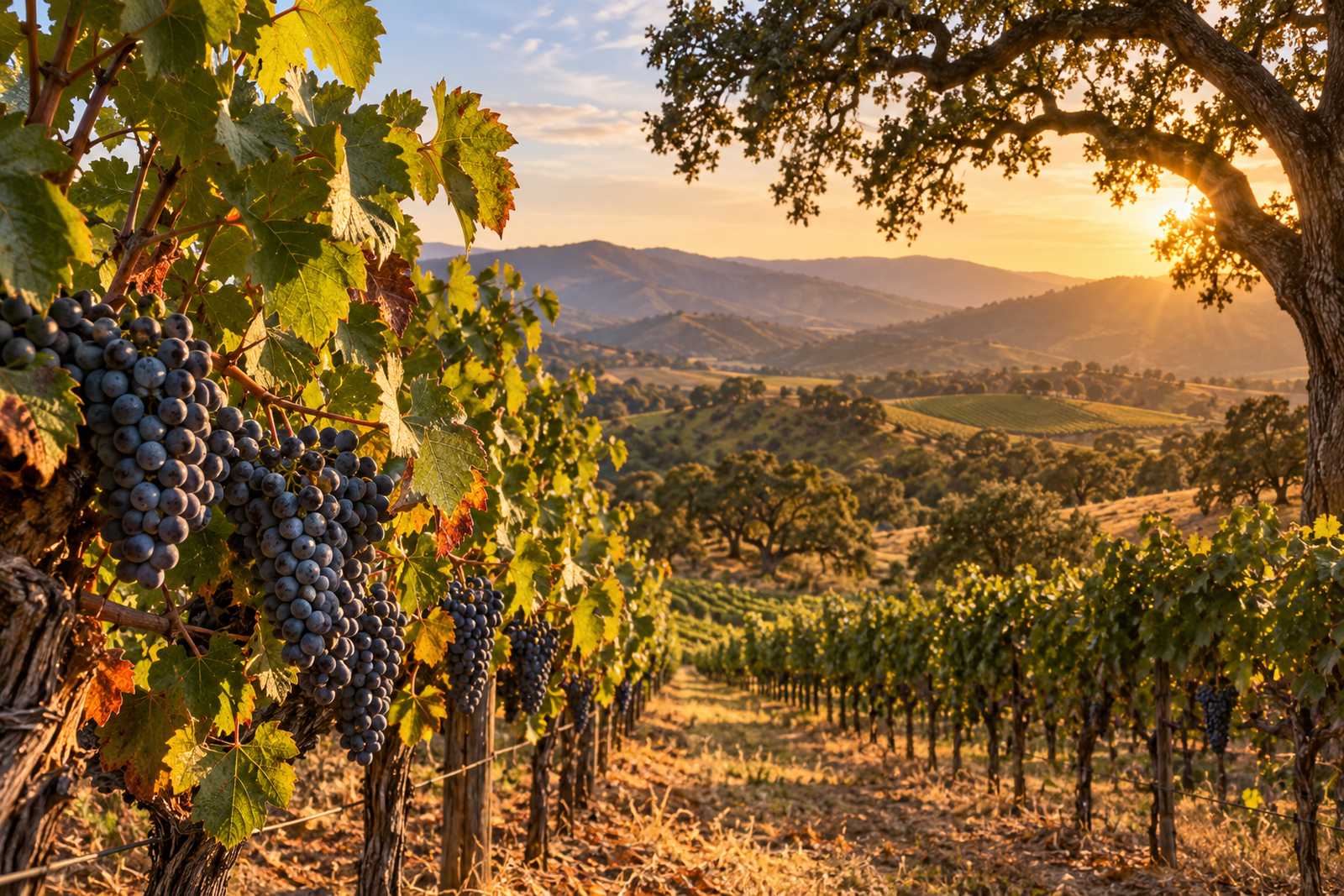
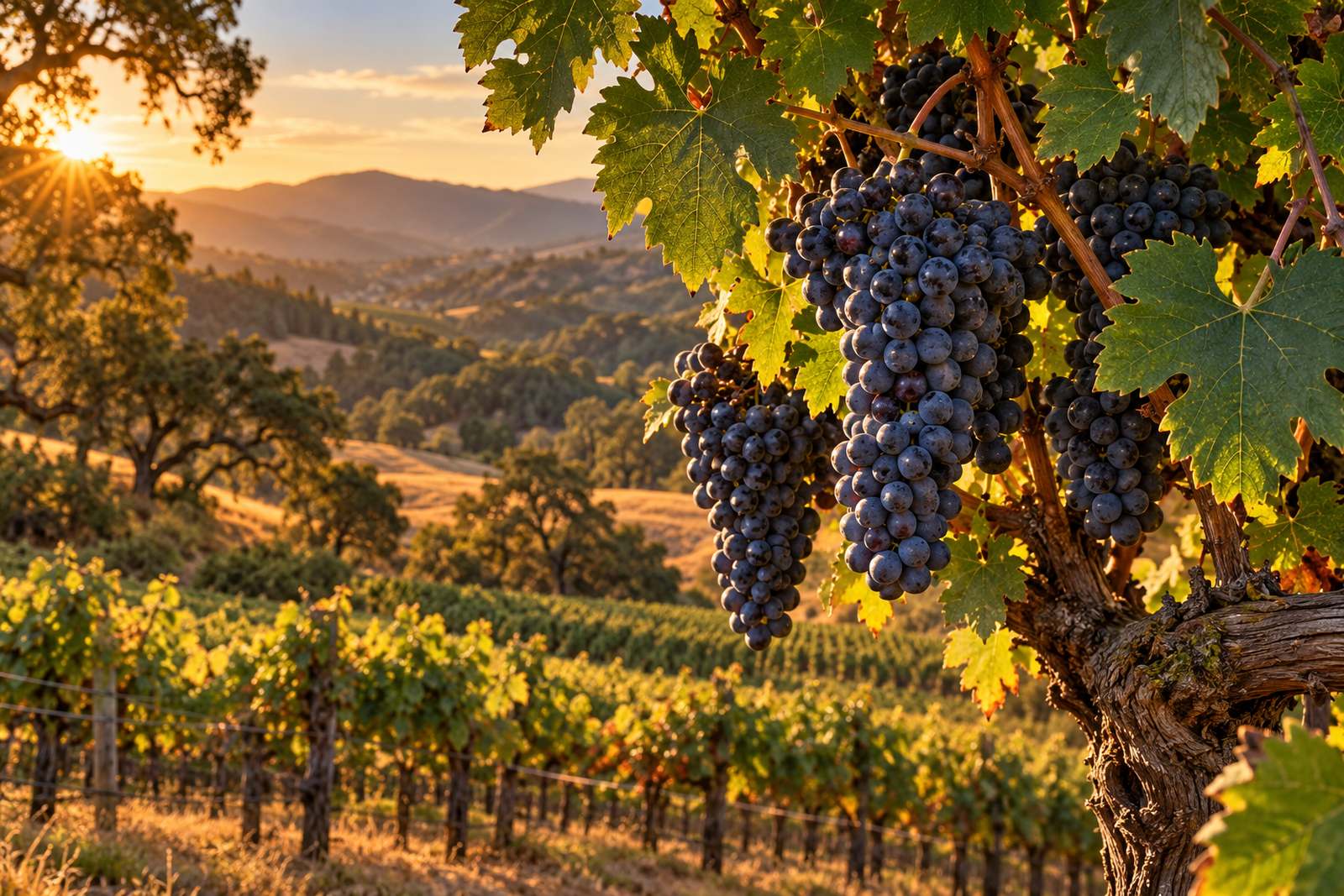
George Hamel Jr., co-founder of ValueAct Capital, and his wife Pam bought a 2006 Kenwood home that came with an acre of Cabernet. The side project became a family operation: organic, biodynamic vineyards across Sonoma Valley and Moon Mountain, with son John winemaker since 2017, crafting Cabernet and Sauvignon Blanc.


George Hamel Jr. spent his career in private equity — a partnership at Blum Capital, then co-founding ValueAct Capital in San Francisco in 2000 — before he and his wife Pam bought what was meant to be a vacation home in Kenwood in 2006. The property came with an acre of Cabernet Sauvignon vines. Hamel thought they'd bottle a little wine to share with friends. They produced 290 cases of their first vintage that year, with Julia Iantosca consulting; six adjacent acres followed, then the 124-acre former Hearst property on Highway 12 just five miles north of Sonoma Plaza became the family's working estate, opening to the public in 2014.
Isthmus — The flagship Cabernet-dominant Bordeaux-style blend, drawn from the valley-floor and Moon Mountain estates (Wine Advocate 96).
Hamel Family Ranch Cabernet Sauvignon, Sonoma Valley — Supple, fruit-forward Cabernet from the home vineyard in the Mayacamas foothills.
Nuns Canyon Cabernet Sauvignon, Moon Mountain District — Powerful, structured mountain Cabernet from volcanic soils at 1,200–1,700 feet.
Grenache — A bright, savory red from the high-elevation Nuns Canyon estate.
Sauvignon Blanc — A crisp, mineral white from organically and biodynamically farmed estate fruit.
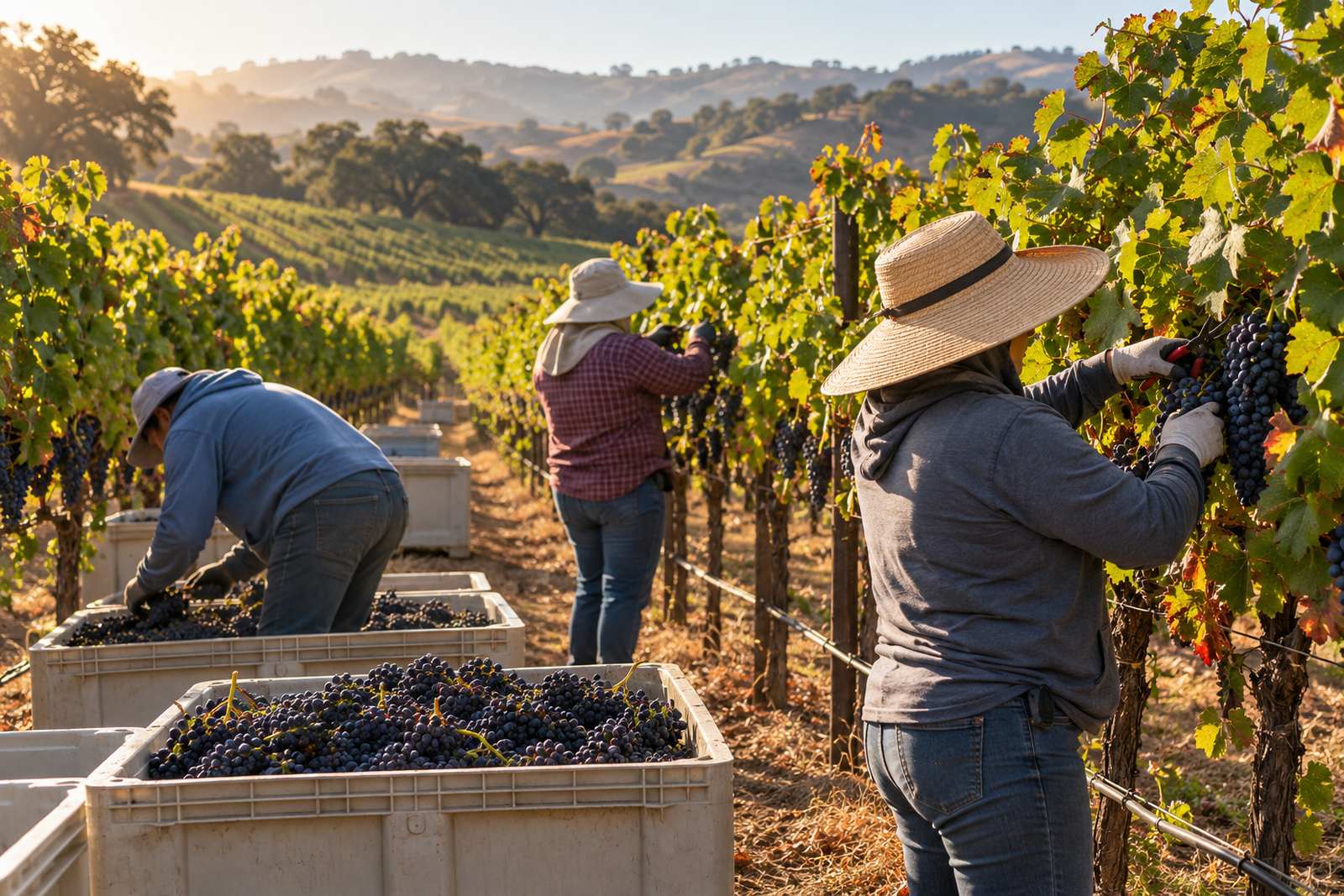
Today Hamel is a fully family-run operation. George Jr. is President; sons George III (MBA, Sonoma State Wine Business Institute) and John (UW-Madison journalism, UC Davis winemaking certification) manage the business; daughter Casey handles administration. John took over as lead winemaker in 2017 after years working alongside consultant Martha McClellan, and has since redirected the program around volcanic terroir and dry farming. Chilean terroir consultant Pédro Parra now maps the vineyards by soil polygon; Cabernet, Cabernet Franc, Grenache, and Sauvignon Blanc are vinified separately by site. The four estate vineyards — three on the Sonoma Valley floor (Hamel Family Ranch, Tres Palmas, Henry's) and one in the Moon Mountain District (Nuns Canyon, 1,300–1,700 ft) — are certified organic and farmed biodynamically, with 20% dry-farmed and growing. The contemporary Estate House, set behind hundred-year-old olive trees with views over the valley floor and Sonoma Mountain, offers private seated tastings with Chef Thomas Mendel's small bites and tours of the wine cave seven days a week.
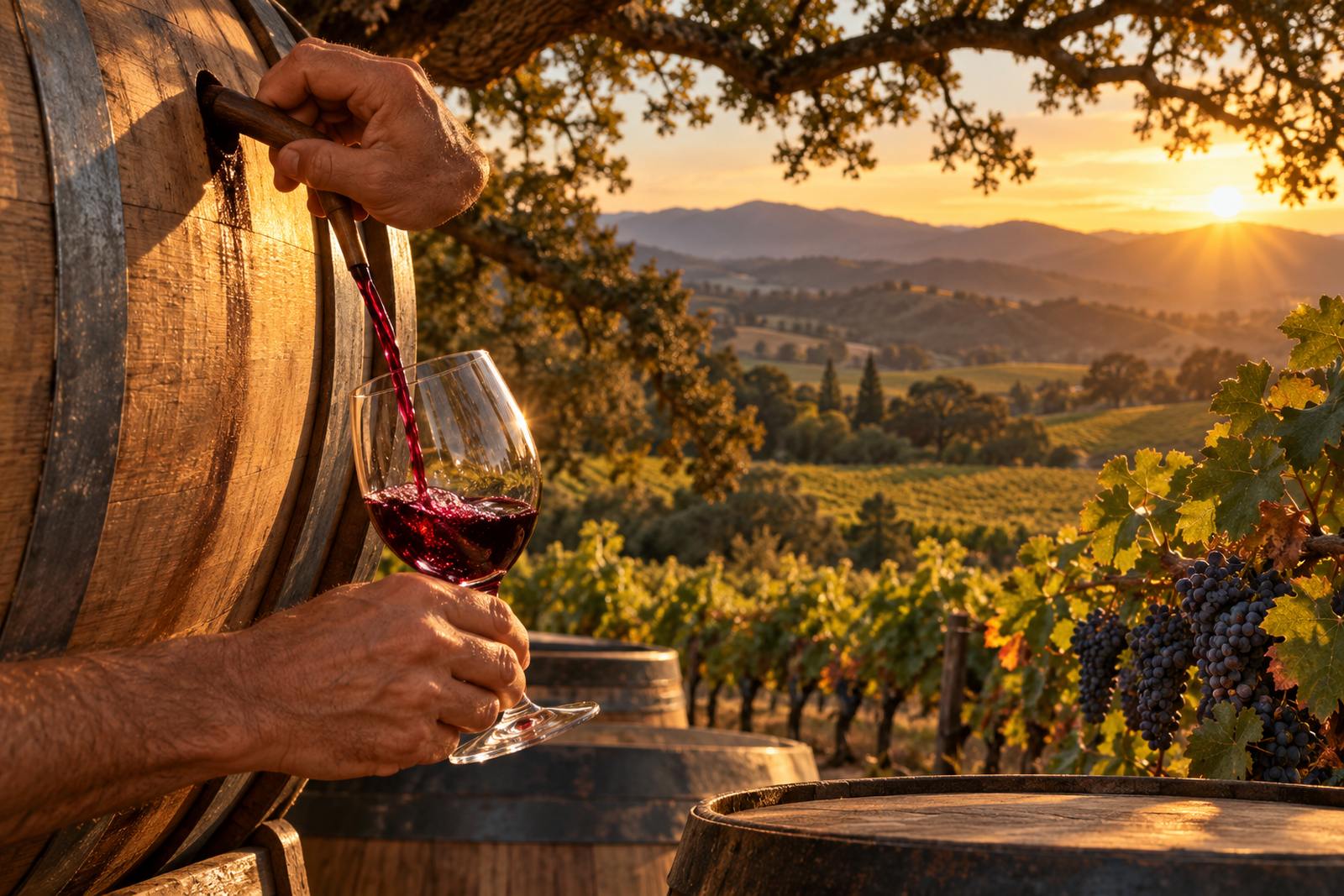
John Hamel leads winemaking at Hamel Family Wines as Director of Winegrowing — the youngest son of founders George and Pam Hamel, who began growing grapes in Sonoma Valley in 2006. A University of Wisconsin journalism graduate who came to wine through organic farming and the Slow Food movement, he earned his winemaking certification at UC Davis and works closely with renowned consulting winemaker Martha McClellan. Hamel champions a micro-terroir approach across the family's volcanic Moon Mountain District and Sonoma Valley estate vineyards — leading the transition to dry farming and organic and Biodynamic practices, and crafting restrained, site-expressive Cabernet Sauvignon, Cabernet Franc, Grenache, and Sauvignon Blanc.

George and Pam Hamel founded Hamel Family Wines after buying a Kenwood home with a one-acre Cabernet vineyard in 2006 and making 290 cases that first harvest. Intrigued by the riddle of the wine business, George — who had settled in the Bay Area after a career in finance — expanded the family’s holdings, acquiring the 124-acre Hamel Family Ranch in 2010 and opening an estate winery in 2014 on land farmed for more than a century. The Hamels farm organically and biodynamically; sons John and George III lead winegrowing and management, but the home remains George and Pam’s, and the journey continues under their stewardship.
Update your editorial to go live.
UpdateReview your current editorial on the left. Submit changes in the matching fields on the right — leave any field blank if no change is needed.
1. Update one section at a time using its SEND button.
2. Each SEND creates a provisional draft — your live page is not updated yet.
3. Complete the final submission at the bottom to approve and publish.
Your editorial page and submission form are always accessible through this page — and only to you. Update anytime.
Isthmus — The flagship Cabernet-dominant Bordeaux-style blend, drawn from the valley-floor and Moon Mountain estates (Wine Advocate 96).
Hamel Family Ranch Cabernet Sauvignon, Sonoma Valley — Supple, fruit-forward Cabernet from the home vineyard in the Mayacamas foothills.
Nuns Canyon Cabernet Sauvignon, Moon Mountain District — Powerful, structured mountain Cabernet from volcanic soils at 1,200–1,700 feet.
Grenache — A bright, savory red from the high-elevation Nuns Canyon estate.
Sauvignon Blanc — A crisp, mineral white from organically and biodynamically farmed estate fruit.
George Hamel Jr. spent his career in private equity — a partnership at Blum Capital, then co-founding ValueAct Capital in San Francisco in 2000 — before he and his wife Pam bought what was meant to be a vacation home in Kenwood in 2006. The property came with an acre of Cabernet Sauvignon vines. Hamel thought they'd bottle a little wine to share with friends. They produced 290 cases of their first vintage that year, with Julia Iantosca consulting; six adjacent acres followed, then the 124-acre former Hearst property on Highway 12 just five miles north of Sonoma Plaza became the family's working estate, opening to the public in 2014.
Today Hamel is a fully family-run operation. George Jr. is President; sons George III (MBA, Sonoma State Wine Business Institute) and John (UW-Madison journalism, UC Davis winemaking certification) manage the business; daughter Casey handles administration. John took over as lead winemaker in 2017 after years working alongside consultant Martha McClellan, and has since redirected the program around volcanic terroir and dry farming. Chilean terroir consultant Pédro Parra now maps the vineyards by soil polygon; Cabernet, Cabernet Franc, Grenache, and Sauvignon Blanc are vinified separately by site. The four estate vineyards — three on the Sonoma Valley floor (Hamel Family Ranch, Tres Palmas, Henry's) and one in the Moon Mountain District (Nuns Canyon, 1,300–1,700 ft) — are certified organic and farmed biodynamically, with 20% dry-farmed and growing. The contemporary Estate House, set behind hundred-year-old olive trees with views over the valley floor and Sonoma Mountain, offers private seated tastings with Chef Thomas Mendel's small bites and tours of the wine cave seven days a week.
John Hamel leads winemaking at Hamel Family Wines as Director of Winegrowing — the youngest son of founders George and Pam Hamel, who began growing grapes in Sonoma Valley in 2006. A University of Wisconsin journalism graduate who came to wine through organic farming and the Slow Food movement, he earned his winemaking certification at UC Davis and works closely with renowned consulting winemaker Martha McClellan. Hamel champions a micro-terroir approach across the family's volcanic Moon Mountain District and Sonoma Valley estate vineyards — leading the transition to dry farming and organic and Biodynamic practices, and crafting restrained, site-expressive Cabernet Sauvignon, Cabernet Franc, Grenache, and Sauvignon Blanc.
George and Pam Hamel founded Hamel Family Wines after buying a Kenwood home with a one-acre Cabernet vineyard in 2006 and making 290 cases that first harvest. Intrigued by the riddle of the wine business, George — who had settled in the Bay Area after a career in finance — expanded the family’s holdings, acquiring the 124-acre Hamel Family Ranch in 2010 and opening an estate winery in 2014 on land farmed for more than a century. The Hamels farm organically and biodynamically; sons John and George III lead winegrowing and management, but the home remains George and Pam’s, and the journey continues under their stewardship.
Please submit your images separately — they're handled by a different department and will be processed alongside your editorial update.