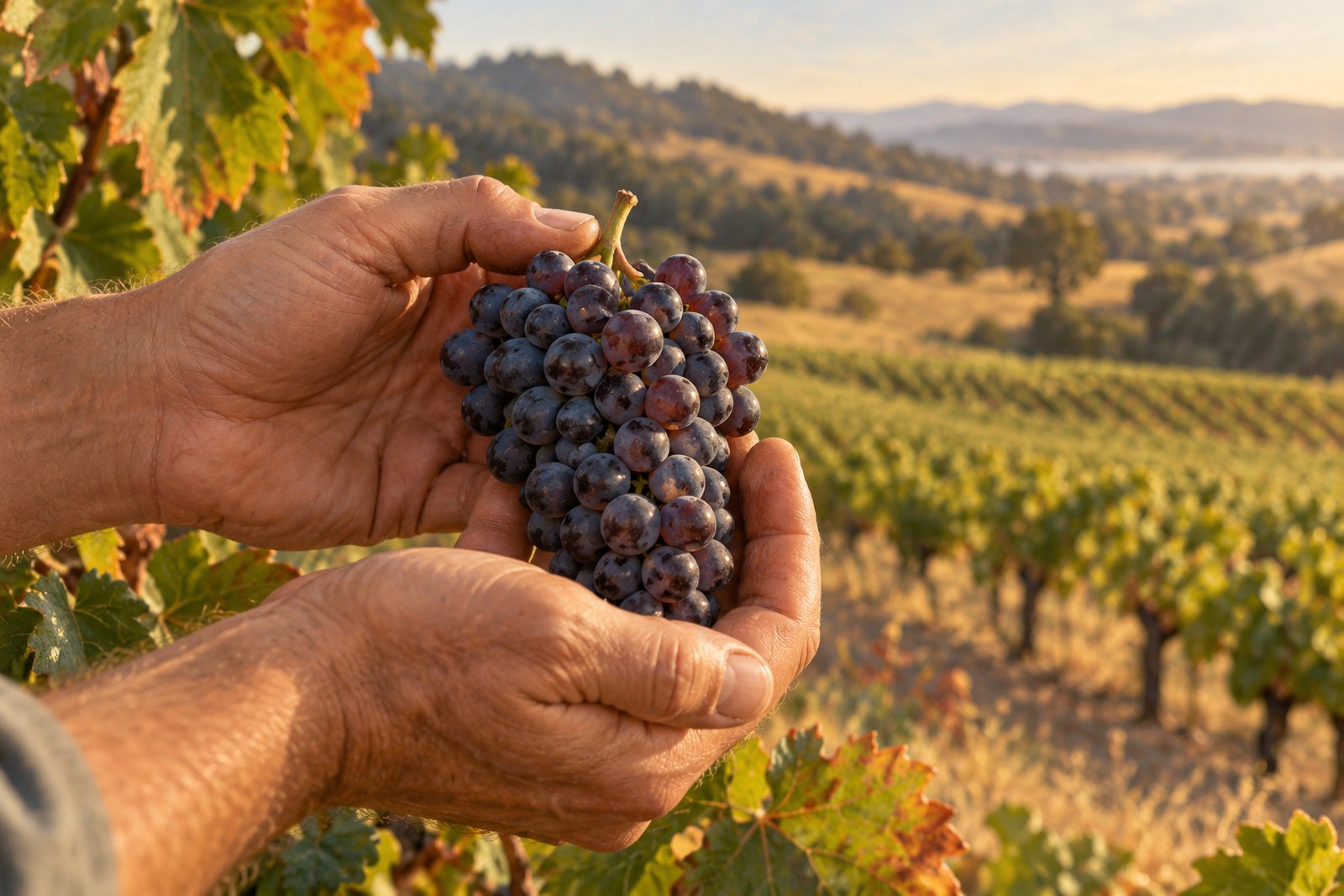
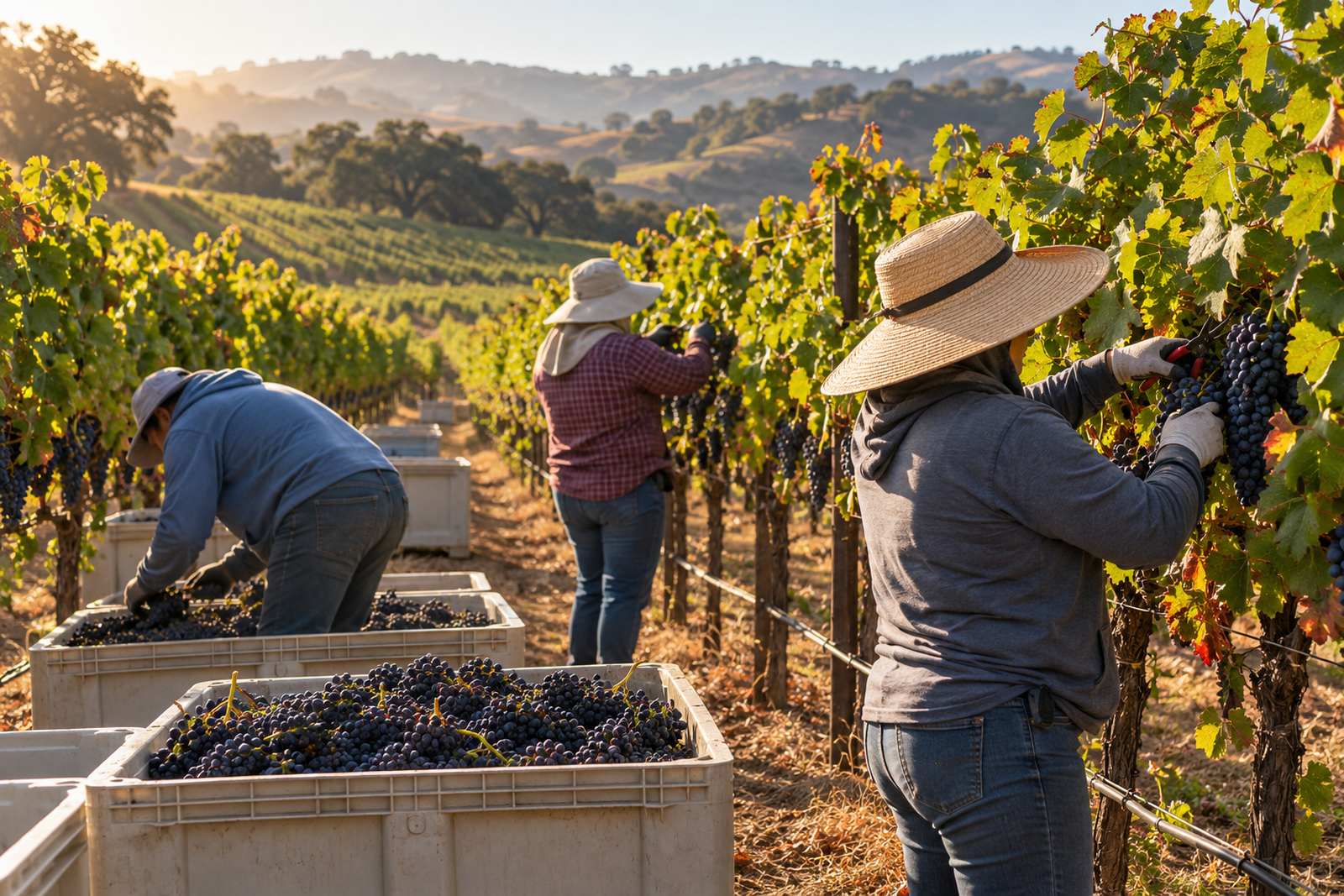
Keller Estate began with Arturo Keller, an automotive engineer from Mexico City who first made wine for friends and family, and his wife Deborah. In 1989, with viticulturist Ted Lemon helping to choose the plant material and lay out the blocks, they began planting a hillside on the eastern edge of the Petaluma Gap: 86 acres of vines, set to nine Pinot Noir clones, four Chardonnay clones, and two Syrah clones, all selected for the wind-driven, fog-influenced site. The estate has grown into the largest winery in the Petaluma Gap. Today it is guided by Arturo's daughter Ana Keller, who joined the family business in 1998 and leads a rigorous program of organic and regenerative farming.
El Coro Vineyard Pinot Noir, Petaluma Gap: the flagship single-vineyard Pinot, deep and complex with ripe black cherry.
La Cruz Vineyard Pinot Noir, Petaluma Gap: savory and plush, from the estate's signature vineyard.
Oro de Plata Chardonnay, Petaluma Gap: fermented and aged in stainless steel; lean, bright and unoaked.
Rôtie Syrah, Petaluma Gap: a 95-point, refined cool-climate Syrah showing the softer side of the grape.
La Cruz Vineyard Pinot Gris, Petaluma Gap: a crisp, textural estate white.
Estate Pinot Noir, Chardonnay and Syrah lead the lineup, alongside small lots of Pinot Gris and a sparkling brut, all grown on the estate. The unoaked Oro de Plata has a barrel-fermented counterpart in the La Cruz Chardonnay, fermented and aged in oak.
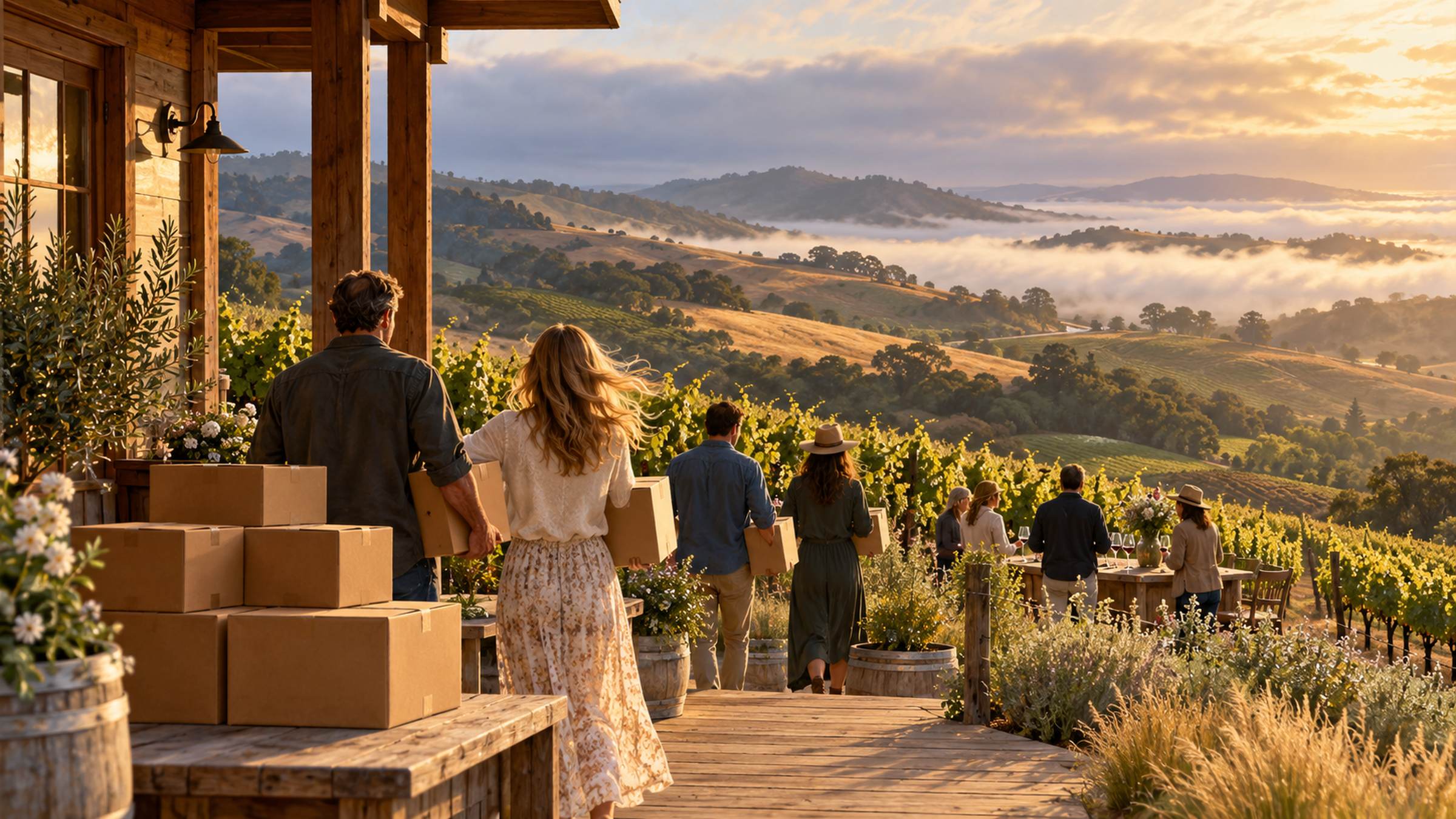
For years the Kellers sold their grapes to Rombauer Vineyards before becoming vintners themselves. In 2000 they founded the winery, a striking minimalist building designed by Mexican architects Ricardo and Victor Legorreta for gravity-flow winemaking, its walls faced with limestone from China's Three Gorges Dam project, and the first Keller Estate vintage followed in 2003. The La Cruz Vineyard sits about twenty miles from the Pacific yet still catches the coastal fog that defines the Gap, and the cool, windy site gives wines of unusual acidity and tension; El Coro, a windy 20-acre ridge-top block planted in 2000 on volcanic, iron-rich soils, was first bottled on its own with the 2007 vintage. Vintage cars are part of the visit: a life-size sculpture of Arturo at the wheel of a 1929 Mercedes-Benz greets guests near the entrance, and the Collection Room hosts tastings among a rotating display of cars from 1900 to 1960. Visits are by reservation, with seated tastings in the stone courtyard looking out over the Petaluma River Valley.