Founded in 1974 by Damaris Deere Ford — great-great-granddaughter of John Deere — Landmark is best known for Burgundian-varietal whites and Pinots. The Russian River tasting room at Hop Kiln Estate, acquired in 2016, occupies a National Historic Landmark 1905 stone hop kiln on Westside Road.


Landmark Vineyards was founded in 1974 in Windsor by a group led by Damaris Deere Ford, the great-great-granddaughter of John Deere, with a focus on Chardonnay and Pinot Noir from cool-climate Sonoma sites. The winery relocated to Kenwood in Sonoma Valley in 1989, where the estate still operates a tasting room. In 2016 Landmark expanded by purchasing the historic Hop Kiln property on Westside Road — a 240-acre ranch whose 1905 stone hop kiln (built by Italian stonemason Angelo Sodini) is a registered California Historical Landmark and one of the most striking architectural sites in the appellation.
Overlook Chardonnay, Sonoma County — The flagship; a multi-vineyard, native-yeast Chardonnay that has made Wine Spectator's Top 100 numerous times.
Hop Kiln Estate Pinot Noir, Russian River Valley — Estate-grown in the Middle Reach; red fruit, vanilla bean, hibiscus, and rhubarb.
Hop Kiln Estate Reserve Pinot Noir, Russian River Valley — The top estate Pinot; cola, cedar, and leather over mouth-filling tannins.
Grand Detour Pinot Noir, Sonoma Coast — Landmark's original 1995 red, a multi-vineyard Sonoma Coast blend.
Damaris Reserve Chardonnay, Sonoma Coast — A reserve-tier Chardonnay named for founder Damaris Deere Ford.
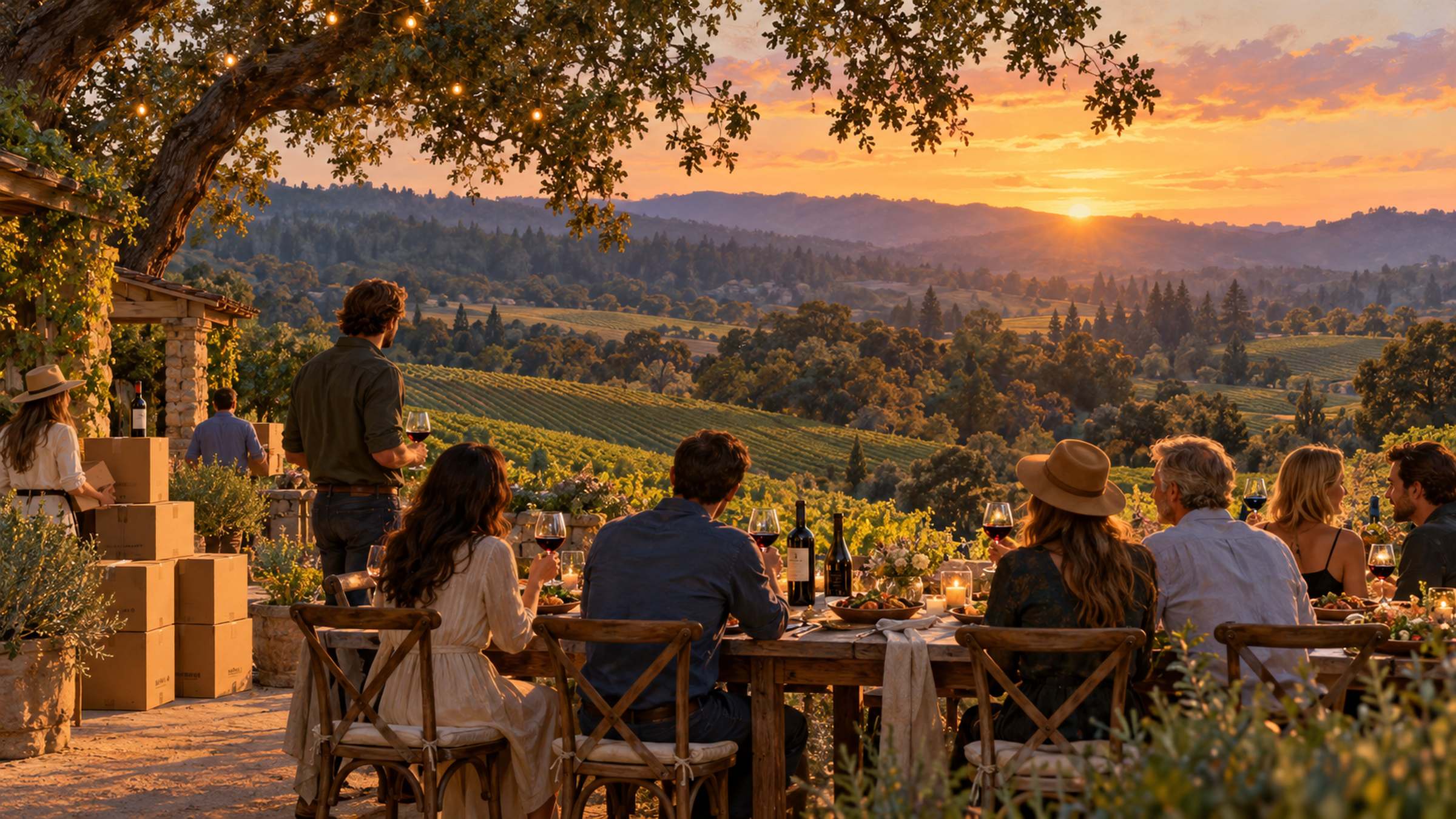
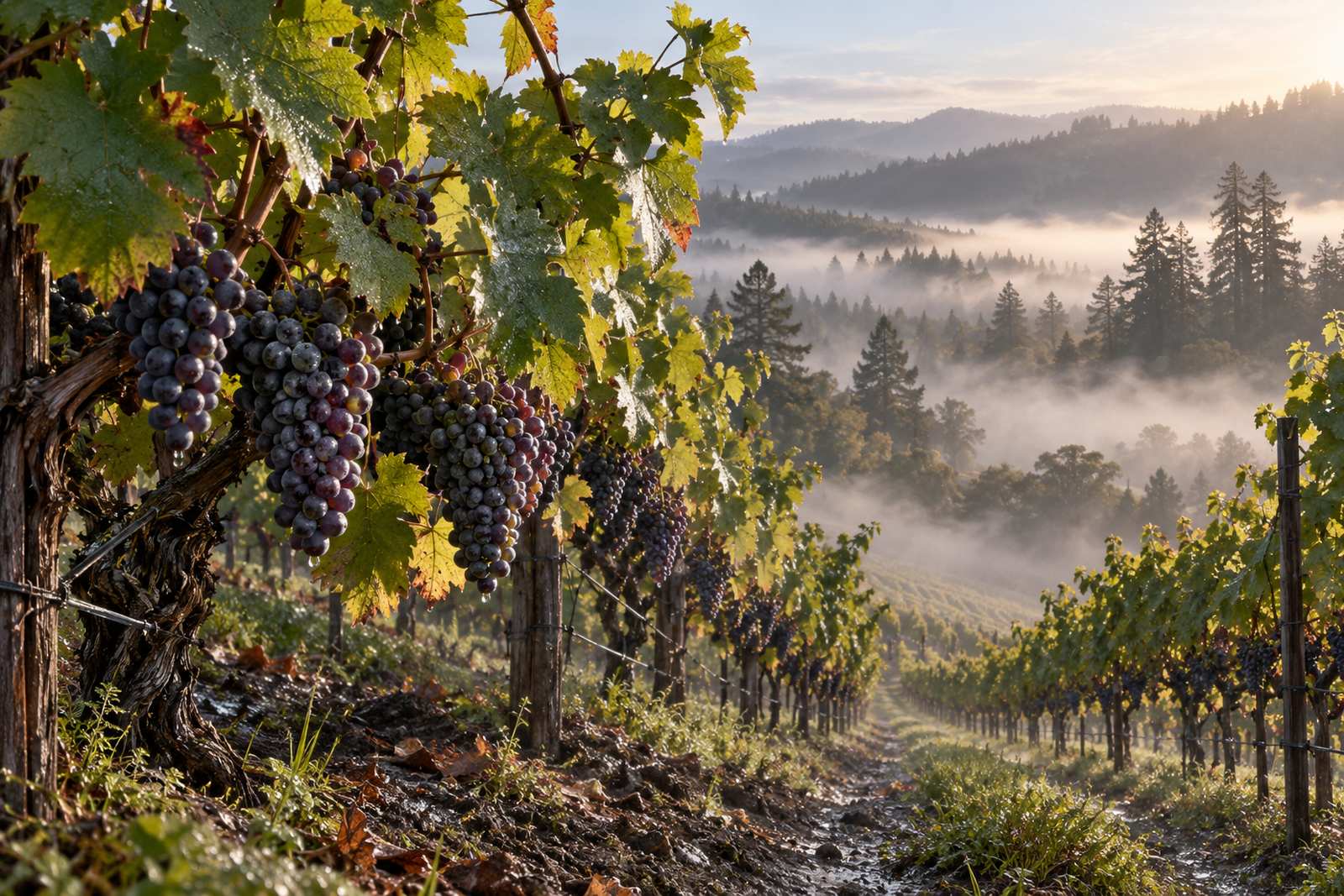
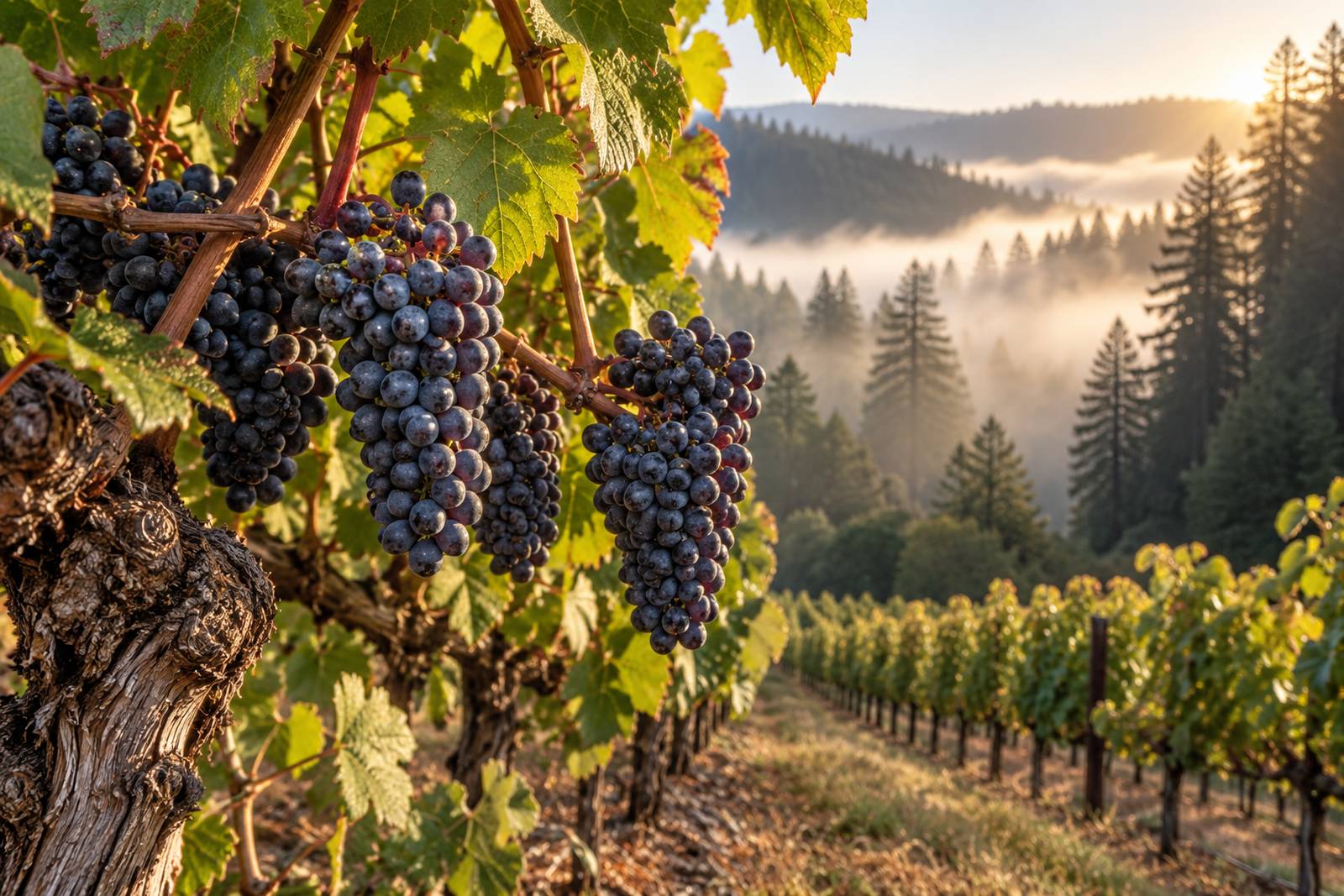
The Hop Kiln Estate's three soaring stone kilns now house the Russian River tasting room, with seated experiences overlooking estate Pinot Noir and Chardonnay vineyards in the Middle Reach sub-region. Head winemaker Greg Stach leads the team, drawing on the 93 acres of estate plantings at Hop Kiln plus the original Kenwood estate vineyard for single-vineyard bottlings and reserve tiers. The setting — 1905 fieldstone kilns, ponds, expansive picnic grounds, and a restored Victorian residence — is among the most photogenic visits on Westside Road, with charcuterie and build-your-own picnic offerings supporting the seated tasting flights.

Greg Stach's route to winemaking ran through the newsroom and the dining room. He first enrolled at Fresno State to study enology, found the required sciences daunting, and graduated instead with a journalism degree — only to discover his true passion for wine in the mid-1980s while working as a restaurant sommelier. He returned to his alma mater and completed an enology degree in 2001. At Landmark he is best known for the Overlook Chardonnay, a négociant-style bottling he blends from dozens of vineyard lots across Sonoma and beyond, an approach that has earned the wine repeated appearances on Wine Spectator's Top 100. His philosophy couples traditional technique with a 'less is more' restraint, and he was instrumental in establishing Landmark's acclaimed single-vineyard Pinot Noir program.

Update your editorial to go live.
UpdateReview your current editorial on the left. Submit changes in the matching fields on the right — leave any field blank if no change is needed.
1. Update one section at a time using its SEND button.
2. Each SEND creates a provisional draft — your live page is not updated yet.
3. Complete the final submission at the bottom to approve and publish.
Your editorial page and submission form are always accessible through this page — and only to you. Update anytime.
Overlook Chardonnay, Sonoma County — The flagship; a multi-vineyard, native-yeast Chardonnay that has made Wine Spectator's Top 100 numerous times.
Hop Kiln Estate Pinot Noir, Russian River Valley — Estate-grown in the Middle Reach; red fruit, vanilla bean, hibiscus, and rhubarb.
Hop Kiln Estate Reserve Pinot Noir, Russian River Valley — The top estate Pinot; cola, cedar, and leather over mouth-filling tannins.
Grand Detour Pinot Noir, Sonoma Coast — Landmark's original 1995 red, a multi-vineyard Sonoma Coast blend.
Damaris Reserve Chardonnay, Sonoma Coast — A reserve-tier Chardonnay named for founder Damaris Deere Ford.
Landmark Vineyards was founded in 1974 in Windsor by a group led by Damaris Deere Ford, the great-great-granddaughter of John Deere, with a focus on Chardonnay and Pinot Noir from cool-climate Sonoma sites. The winery relocated to Kenwood in Sonoma Valley in 1989, where the estate still operates a tasting room. In 2016 Landmark expanded by purchasing the historic Hop Kiln property on Westside Road — a 240-acre ranch whose 1905 stone hop kiln (built by Italian stonemason Angelo Sodini) is a registered California Historical Landmark and one of the most striking architectural sites in the appellation.
The Hop Kiln Estate's three soaring stone kilns now house the Russian River tasting room, with seated experiences overlooking estate Pinot Noir and Chardonnay vineyards in the Middle Reach sub-region. Head winemaker Greg Stach leads the team, drawing on the 93 acres of estate plantings at Hop Kiln plus the original Kenwood estate vineyard for single-vineyard bottlings and reserve tiers. The setting — 1905 fieldstone kilns, ponds, expansive picnic grounds, and a restored Victorian residence — is among the most photogenic visits on Westside Road, with charcuterie and build-your-own picnic offerings supporting the seated tasting flights.
Greg Stach's route to winemaking ran through the newsroom and the dining room. He first enrolled at Fresno State to study enology, found the required sciences daunting, and graduated instead with a journalism degree — only to discover his true passion for wine in the mid-1980s while working as a restaurant sommelier. He returned to his alma mater and completed an enology degree in 2001. At Landmark he is best known for the Overlook Chardonnay, a négociant-style bottling he blends from dozens of vineyard lots across Sonoma and beyond, an approach that has earned the wine repeated appearances on Wine Spectator's Top 100. His philosophy couples traditional technique with a 'less is more' restraint, and he was instrumental in establishing Landmark's acclaimed single-vineyard Pinot Noir program.
Please submit your images separately — they're handled by a different department and will be processed alongside your editorial update.