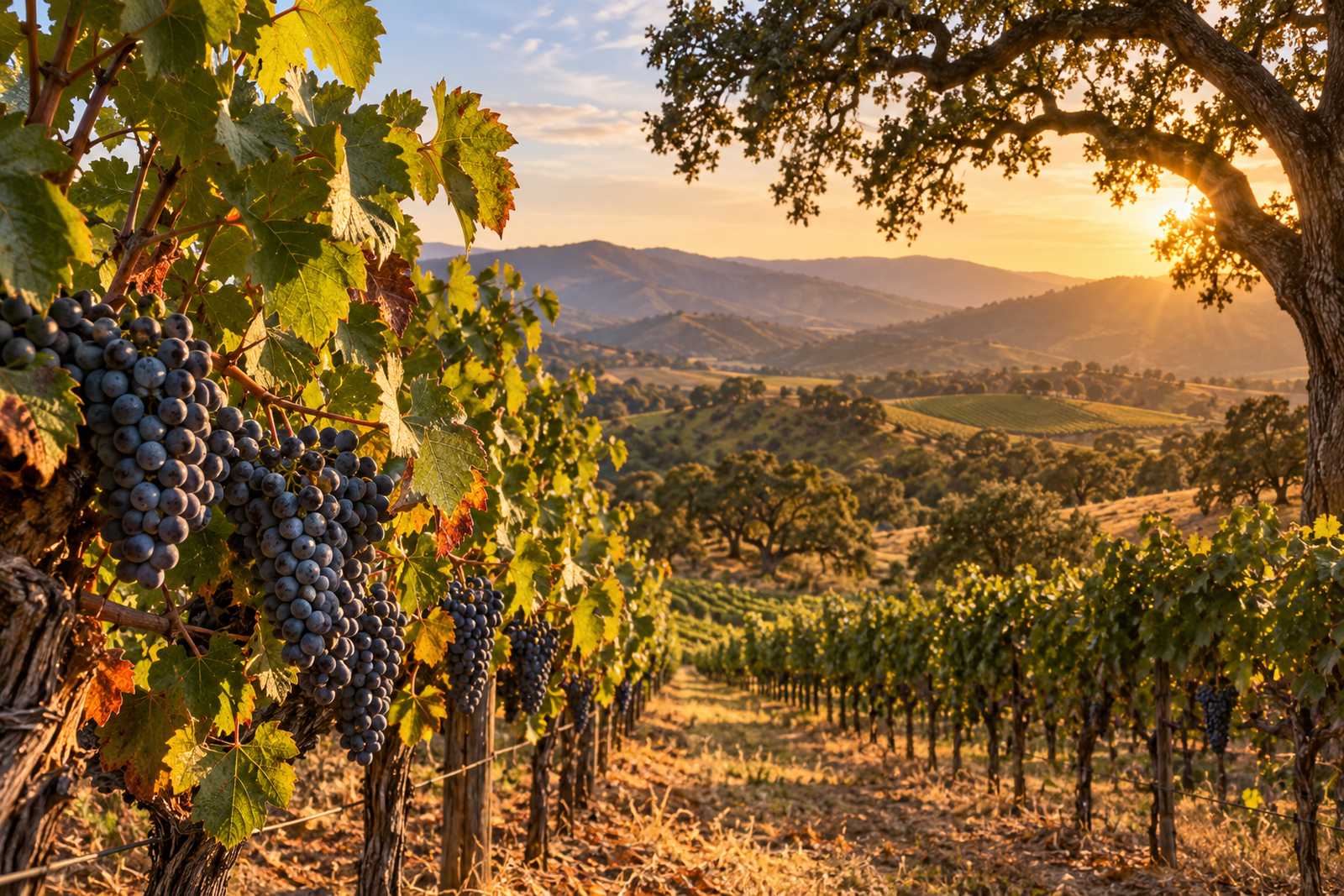
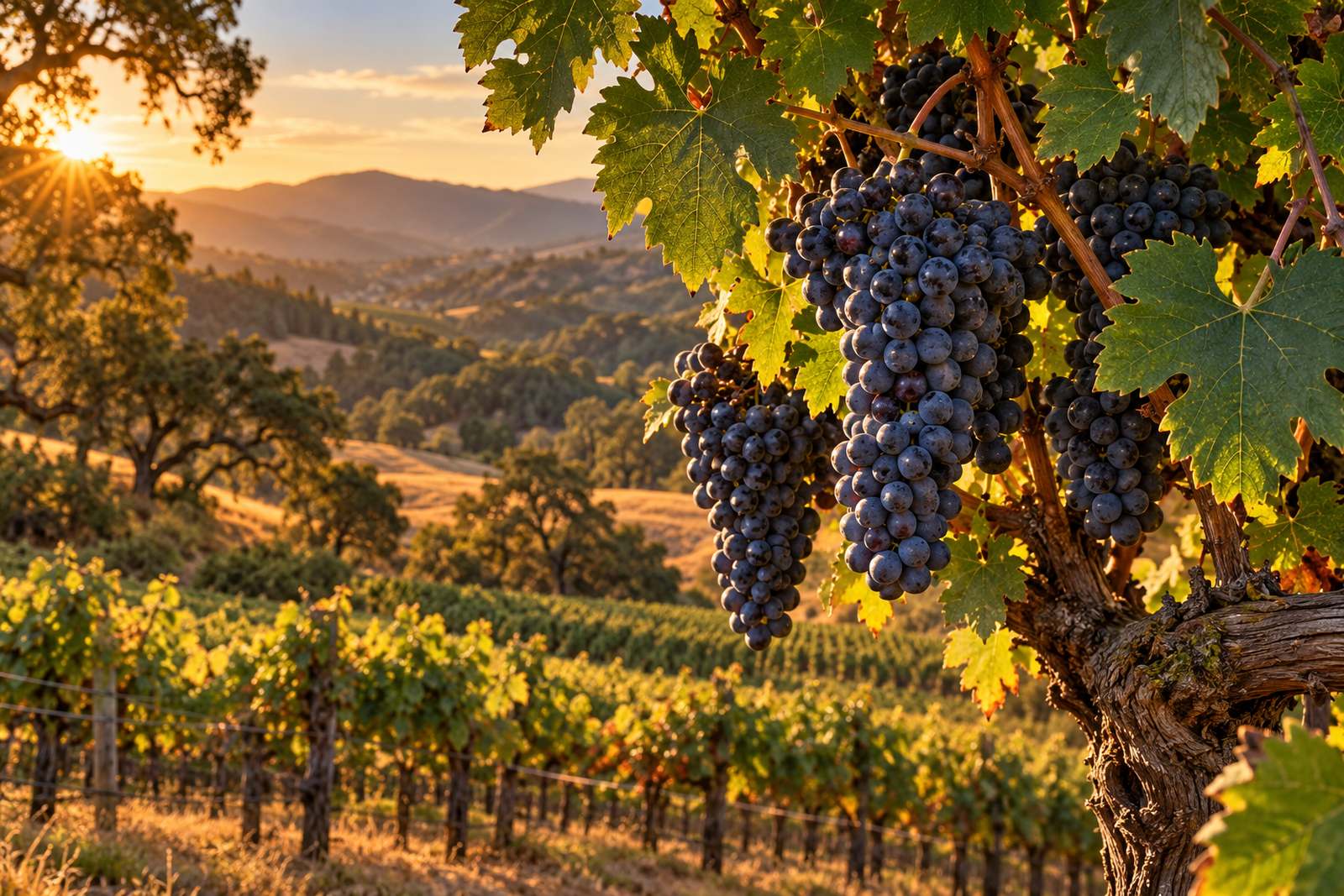
Cabernet was first planted at this east-facing Sonoma Mountain site in 1968. Founder Patrick Campbell, who bought the property in 1977, discovered he'd inherited a unique clone now known as the Laurel Glen Clone. After 30 vintages, Bettina Sichel's group acquired the estate; organic since 2014, farmed by Phil Coturri.


Laurel Glen is one of California's great Cabernet estates — a single-vineyard winery whose mountain-grown fruit produces wines that age for decades with grace. Founded by Patrick Campbell in 1977, the estate's 35-acre vineyard sits on east-facing Sonoma Mountain slopes at 1,100–1,600 feet, planted entirely to Cabernet Sauvignon. The wines are defined by structure, minerality, and refusal to follow trends. Current owner Bettina Sichel has maintained the estate's commitment to terroir-driven, single-vineyard Cabernet. A vertical library going back to the early 1980s is one of the great arguments for Sonoma Mountain's aging potential.
Laurel Glen Vineyard Estate Cabernet Sauvignon, Sonoma Mountain — The flagship: a structured, age-worthy, mineral-driven Cabernet from the historic estate vineyard.
Counterpoint Cabernet Sauvignon, Sonoma Mountain — The estate's more approachable expression, from the forward-drinking lots; bright, savory and food-friendly.
REDS — A value-driven, easy-drinking red blend; the playful second label.
Blanc Slate Sauvignon Blanc — A crisp, bright white rounding out the estate lineup.
Laurel Glen has produced Cabernet from the same volcanic slope of Sonoma Mountain since 1981, when Patrick Campbell founded it — one of California's first-generation cult Cabernets. Since 2011, Bettina Sichel (of a Bordeaux wine family) has stewarded the now certified-organic estate.
Cabernet Sauvignon was first planted at this site in 1968, and founder Patrick Campbell — who bought the property in 1977 — discovered he had inherited a unique clone of Cabernet now recognized by UC Davis as the Laurel Glen Clone. The vineyard sits on east-facing Sonoma Mountain slopes at 1,000 feet, certified organic since 2014 and managed by Phil Coturri. After 30 vintages, Campbell sold to a group led by Bettina Sichel (fifth-generation European wine family) in 2011, who ushered in the current era. Tasting room in the heart of Glen Ellen village: Chilled Tasting ($30, four whites and rosés), Classic ($40, two chilled wines plus two Cabernets), Collector ($50, three Cabernets including library vintage), Library Tasting ($60, decade-spanning library vintages), and the Evolution of Cabernet (30 years of estate Cabernet with chef-crafted pairings). Dog- and family-friendly. Text ahead (707) 933-9877 for availability.

Randall Watkins has been the winemaker at Laurel Glen Vineyard since 2011, tending one of California's great Cabernet sites — a 14.5-acre organically farmed vineyard on Sonoma Mountain above Glen Ellen, developed by pioneer Patrick Campbell in the 1970s and acclaimed since its first 1981 vintage for balance and longevity. Raised on a Sonoma vineyard and trained at UC Davis with a master's in enology, Watkins came to Laurel Glen after running winemaking at Moon Mountain Vineyard. Working with organic-farming legend Phil Coturri in the vineyard and consulting winemaker David Ramey in the cellar under owner Bettina Sichel, he crafts the elegant Estate Cabernet and its second label, Counterpoint.

Bettina Sichel has been proprietor of Laurel Glen Vineyard since 2011, when she led an investor group to acquire the storied Sonoma Mountain estate from founder Patrick Campbell. She brought deep wine lineage to the role: the Sichels are a multi-generation wine family whose ventures have included Blue Nun and a stake in Napa’s Quintessa, and Bettina spent years in the trade before taking the helm. Under her stewardship, Laurel Glen has stayed devoted to its benchmark estate Cabernet Sauvignon from the original hillside vineyard, farmed organically high on Sonoma Mountain.
Update your editorial to go live.
UpdateReview your current editorial on the left. Submit changes in the matching fields on the right — leave any field blank if no change is needed.
1. Update one section at a time using its SEND button.
2. Each SEND creates a provisional draft — your live page is not updated yet.
3. Complete the final submission at the bottom to approve and publish.
Your editorial page and submission form are always accessible through this page — and only to you. Update anytime.
Laurel Glen Vineyard Estate Cabernet Sauvignon, Sonoma Mountain — The flagship: a structured, age-worthy, mineral-driven Cabernet from the historic estate vineyard.
Counterpoint Cabernet Sauvignon, Sonoma Mountain — The estate's more approachable expression, from the forward-drinking lots; bright, savory and food-friendly.
REDS — A value-driven, easy-drinking red blend; the playful second label.
Blanc Slate Sauvignon Blanc — A crisp, bright white rounding out the estate lineup.
Laurel Glen has produced Cabernet from the same volcanic slope of Sonoma Mountain since 1981, when Patrick Campbell founded it — one of California's first-generation cult Cabernets. Since 2011, Bettina Sichel (of a Bordeaux wine family) has stewarded the now certified-organic estate.
Laurel Glen is one of California's great Cabernet estates — a single-vineyard winery whose mountain-grown fruit produces wines that age for decades with grace. Founded by Patrick Campbell in 1977, the estate's 35-acre vineyard sits on east-facing Sonoma Mountain slopes at 1,100–1,600 feet, planted entirely to Cabernet Sauvignon. The wines are defined by structure, minerality, and refusal to follow trends. Current owner Bettina Sichel has maintained the estate's commitment to terroir-driven, single-vineyard Cabernet. A vertical library going back to the early 1980s is one of the great arguments for Sonoma Mountain's aging potential.
Cabernet Sauvignon was first planted at this site in 1968, and founder Patrick Campbell — who bought the property in 1977 — discovered he had inherited a unique clone of Cabernet now recognized by UC Davis as the Laurel Glen Clone. The vineyard sits on east-facing Sonoma Mountain slopes at 1,000 feet, certified organic since 2014 and managed by Phil Coturri. After 30 vintages, Campbell sold to a group led by Bettina Sichel (fifth-generation European wine family) in 2011, who ushered in the current era. Tasting room in the heart of Glen Ellen village: Chilled Tasting ($30, four whites and rosés), Classic ($40, two chilled wines plus two Cabernets), Collector ($50, three Cabernets including library vintage), Library Tasting ($60, decade-spanning library vintages), and the Evolution of Cabernet (30 years of estate Cabernet with chef-crafted pairings). Dog- and family-friendly. Text ahead (707) 933-9877 for availability.

Randall Watkins has been the winemaker at Laurel Glen Vineyard since 2011, tending one of California's great Cabernet sites — a 14.5-acre organically farmed vineyard on Sonoma Mountain above Glen Ellen, developed by pioneer Patrick Campbell in the 1970s and acclaimed since its first 1981 vintage for balance and longevity. Raised on a Sonoma vineyard and trained at UC Davis with a master's in enology, Watkins came to Laurel Glen after running winemaking at Moon Mountain Vineyard. Working with organic-farming legend Phil Coturri in the vineyard and consulting winemaker David Ramey in the cellar under owner Bettina Sichel, he crafts the elegant Estate Cabernet and its second label, Counterpoint.
Bettina Sichel has been proprietor of Laurel Glen Vineyard since 2011, when she led an investor group to acquire the storied Sonoma Mountain estate from founder Patrick Campbell. She brought deep wine lineage to the role: the Sichels are a multi-generation wine family whose ventures have included Blue Nun and a stake in Napa’s Quintessa, and Bettina spent years in the trade before taking the helm. Under her stewardship, Laurel Glen has stayed devoted to its benchmark estate Cabernet Sauvignon from the original hillside vineyard, farmed organically high on Sonoma Mountain.
Please submit your images separately — they're handled by a different department and will be processed alongside your editorial update.