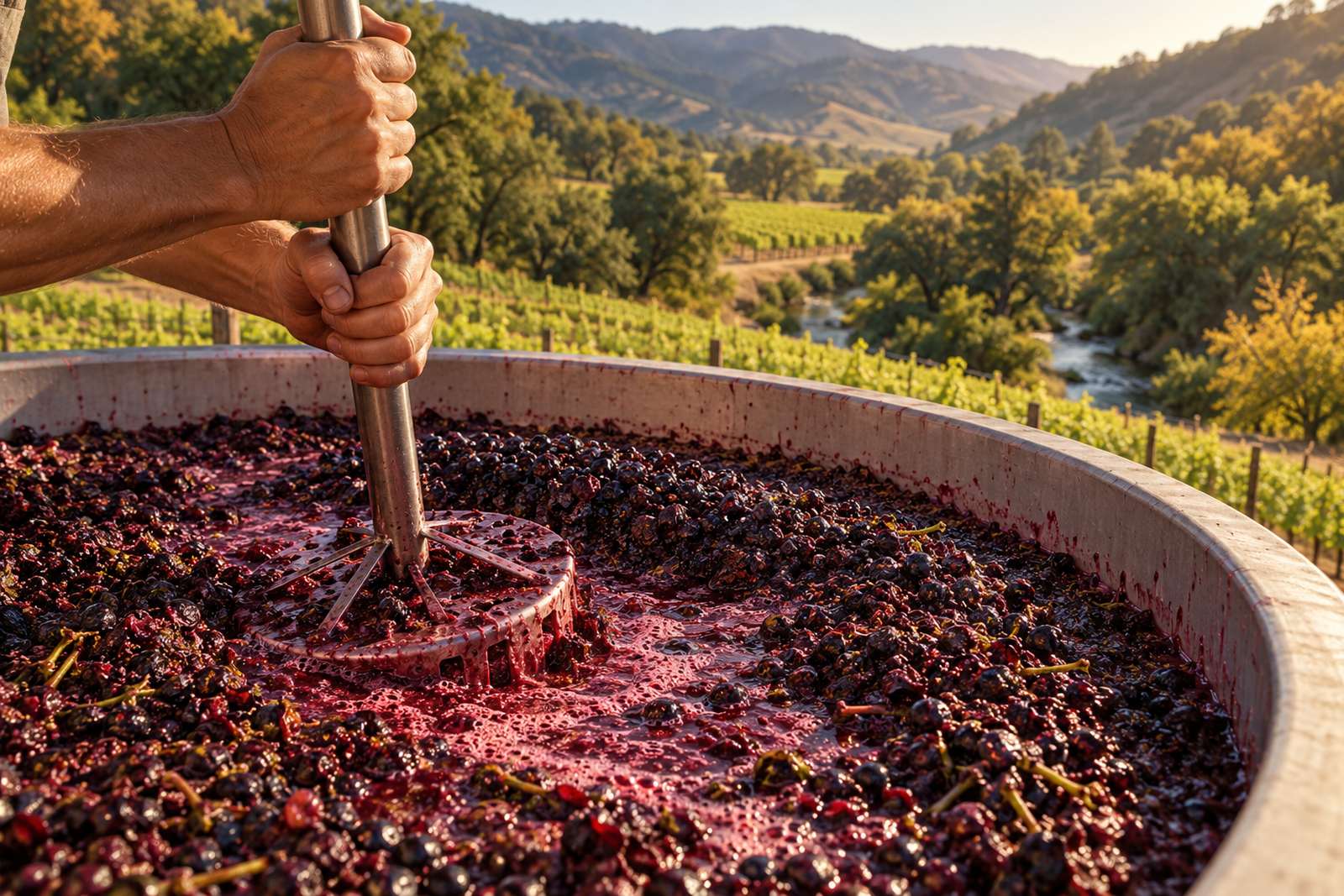
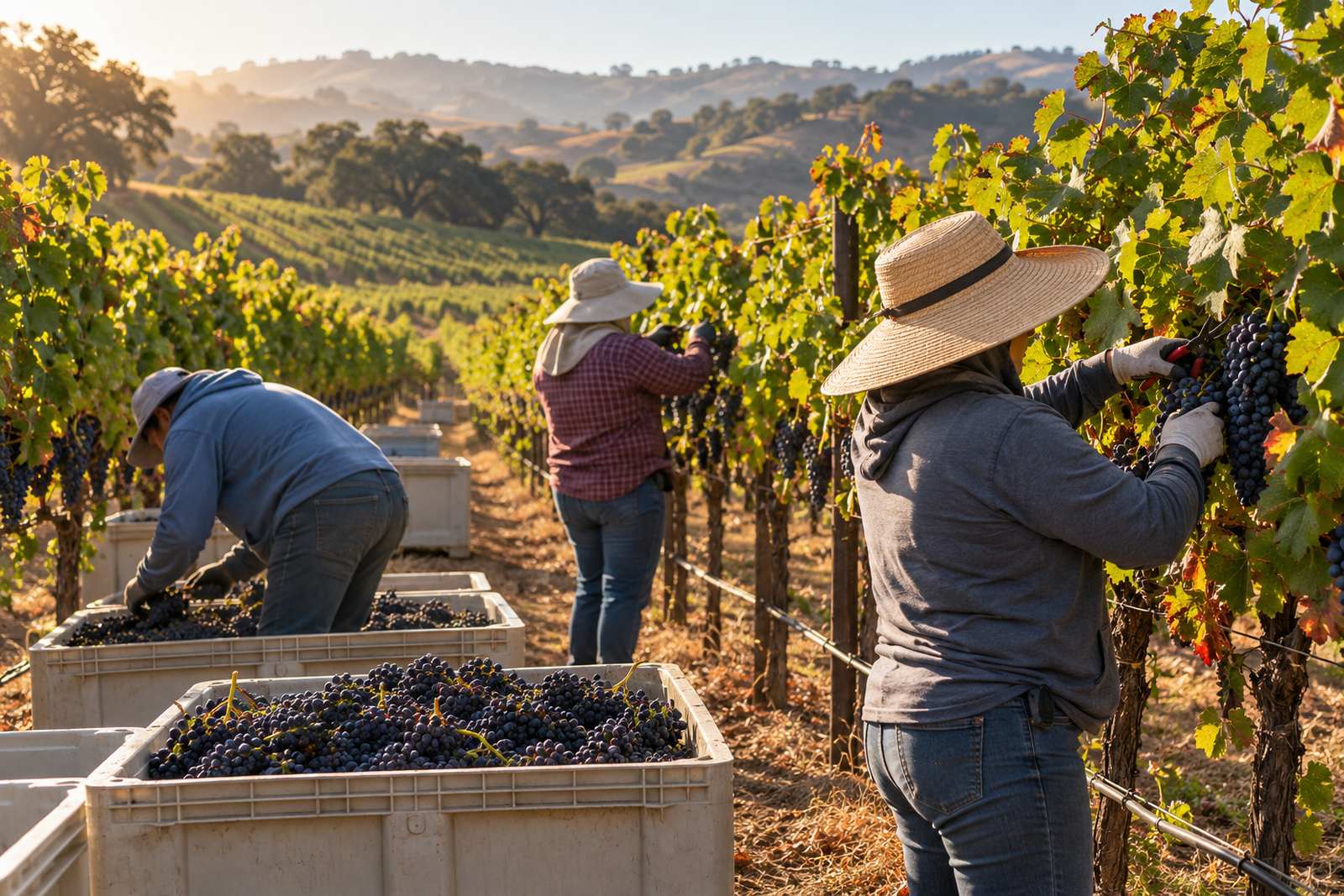
Six generations of Mauritsons have farmed Sonoma's Dry Creek and Rockpile hillsides since 1868 — the family's 4,000-acre Rockpile homestead reshaped by Prohibition and Lake Sonoma. Clay Mauritson, an Oregon Ducks linebacker before founding the label in 1998, produces single-vineyard wines across Dry Creek, Alexander Valley, and Rockpile.


Few families have deeper roots in Sonoma's Dry Creek and Rockpile appellations than the Mauritsons. The family has farmed these hillsides since 1868 — their original Rockpile homestead grew to 4,000 acres before Prohibition and Lake Sonoma reshaped the geography — and Clay Mauritson represents the sixth generation. Clay played outside linebacker for the University of Oregon Ducks before founding the modern label in 1998 with a single Dry Creek Zinfandel. Today the operation produces hand-crafted, single-vineyard wines across three appellations: Dry Creek Valley, Alexander Valley, and Rockpile.
Dry Creek Valley Zinfandel — The wine that launched the Mauritson label in 1998; bold, brambly and savory Dry Creek Zin.
Rockpile Ridge Vineyard Zinfandel, Rockpile — The flagship: an estate single-vineyard Zin from the family's high-elevation Rockpile ranch, dense with dark fruit and spice.
Rockpile Cabernet Sauvignon — Concentrated, ripe black fruit from the mountain appellation, structured for the cellar.
Rockpile Petite Sirah — Deeply pigmented and powerful, drawing on Rockpile's stressed hillside vines.
Sauvignon Blanc, Dry Creek Valley — A crisp, bright white rounding out a red-dominant lineup.
The Mauritson family has farmed in Dry Creek Valley since 1868, first planting in what is now the Rockpile AVA in 1884. Sixth-generation Clay Mauritson released the first Mauritson wine in 1998 and helped pioneer Rockpile as a premier site for mountain-grown Zinfandel.
The Dry Creek tasting room sits in the middle of the valley with vineyard views from both the indoor library and the outdoor lawn. The Wine Library Tasting walks visitors through a flight of single-vineyard releases over cheese and charcuterie; for the most committed visitors, the family also runs vineyard tours up to the original Rockpile ranch — cool weather permitting, since the mountain itself can swing fifty degrees from afternoon to dusk. Reservations are preferred and required for groups of six or more. Well-behaved dogs are welcome, picnic space is available, and the family's signature Zinfandels from the 1908-rooted Rockpile Ridge and Jack's Cabin sites form the heart of a program that includes Sauvignon Blanc, Cabernet Sauvignon, Petite Sirah, and Bordeaux varieties grown across all three appellations.

Emma Kudritzki Hall has been winemaker at Mauritson Wines since January 2019, leading the cellar for a family that has farmed Dry Creek Valley and Rockpile since 1868. Founder Clay Mauritson — the sixth generation, who released the first Mauritson wines in 1998 — built the winery around the family's high-elevation Rockpile vineyards, drowned in part beneath Lake Sonoma in the 1960s but still home to some of California's most prized Zinfandel. A Marin native and former All-American water polo player with a biology degree and Fresno State enology training, Hall joined in 2011 and now crafts the estate's site-specific Rockpile Zinfandel and Cabernet alongside Sauvignon Blanc and Chardonnay.

Clay Mauritson is the sixth-generation founder of Mauritson Wines, carrying forward one of Rockpile’s oldest farming legacies. His Swedish ancestor S.P. Hallengren first planted vines in the Rockpile area in 1884; the family homestead grew to thousands of acres before most was flooded to create Lake Sonoma in the 1960s. After college, Clay returned with a determination to add winemaking to the family’s grape-growing operation, releasing his inaugural Dry Creek Valley Zinfandel in 1998 and replanting the high-elevation Rockpile ridges his family had farmed for generations. Today Mauritson is among the definitive names in Rockpile and Dry Creek wine.
Update your editorial to go live.
UpdateReview your current editorial on the left. Submit changes in the matching fields on the right — leave any field blank if no change is needed.
1. Update one section at a time using its SEND button.
2. Each SEND creates a provisional draft — your live page is not updated yet.
3. Complete the final submission at the bottom to approve and publish.
Your editorial page and submission form are always accessible through this page — and only to you. Update anytime.
Dry Creek Valley Zinfandel — The wine that launched the Mauritson label in 1998; bold, brambly and savory Dry Creek Zin.
Rockpile Ridge Vineyard Zinfandel, Rockpile — The flagship: an estate single-vineyard Zin from the family's high-elevation Rockpile ranch, dense with dark fruit and spice.
Rockpile Cabernet Sauvignon — Concentrated, ripe black fruit from the mountain appellation, structured for the cellar.
Rockpile Petite Sirah — Deeply pigmented and powerful, drawing on Rockpile's stressed hillside vines.
Sauvignon Blanc, Dry Creek Valley — A crisp, bright white rounding out a red-dominant lineup.
The Mauritson family has farmed in Dry Creek Valley since 1868, first planting in what is now the Rockpile AVA in 1884. Sixth-generation Clay Mauritson released the first Mauritson wine in 1998 and helped pioneer Rockpile as a premier site for mountain-grown Zinfandel.
Few families have deeper roots in Sonoma's Dry Creek and Rockpile appellations than the Mauritsons. The family has farmed these hillsides since 1868 — their original Rockpile homestead grew to 4,000 acres before Prohibition and Lake Sonoma reshaped the geography — and Clay Mauritson represents the sixth generation. Clay played outside linebacker for the University of Oregon Ducks before founding the modern label in 1998 with a single Dry Creek Zinfandel. Today the operation produces hand-crafted, single-vineyard wines across three appellations: Dry Creek Valley, Alexander Valley, and Rockpile.
The Dry Creek tasting room sits in the middle of the valley with vineyard views from both the indoor library and the outdoor lawn. The Wine Library Tasting walks visitors through a flight of single-vineyard releases over cheese and charcuterie; for the most committed visitors, the family also runs vineyard tours up to the original Rockpile ranch — cool weather permitting, since the mountain itself can swing fifty degrees from afternoon to dusk. Reservations are preferred and required for groups of six or more. Well-behaved dogs are welcome, picnic space is available, and the family's signature Zinfandels from the 1908-rooted Rockpile Ridge and Jack's Cabin sites form the heart of a program that includes Sauvignon Blanc, Cabernet Sauvignon, Petite Sirah, and Bordeaux varieties grown across all three appellations.

Emma Kudritzki Hall has been winemaker at Mauritson Wines since January 2019, leading the cellar for a family that has farmed Dry Creek Valley and Rockpile since 1868. Founder Clay Mauritson — the sixth generation, who released the first Mauritson wines in 1998 — built the winery around the family's high-elevation Rockpile vineyards, drowned in part beneath Lake Sonoma in the 1960s but still home to some of California's most prized Zinfandel. A Marin native and former All-American water polo player with a biology degree and Fresno State enology training, Hall joined in 2011 and now crafts the estate's site-specific Rockpile Zinfandel and Cabernet alongside Sauvignon Blanc and Chardonnay.
Clay Mauritson is the sixth-generation founder of Mauritson Wines, carrying forward one of Rockpile’s oldest farming legacies. His Swedish ancestor S.P. Hallengren first planted vines in the Rockpile area in 1884; the family homestead grew to thousands of acres before most was flooded to create Lake Sonoma in the 1960s. After college, Clay returned with a determination to add winemaking to the family’s grape-growing operation, releasing his inaugural Dry Creek Valley Zinfandel in 1998 and replanting the high-elevation Rockpile ridges his family had farmed for generations. Today Mauritson is among the definitive names in Rockpile and Dry Creek wine.
Please submit your images separately — they're handled by a different department and will be processed alongside your editorial update.