Occidental is Steve Kistler's coastal Pinot Noir project, founded in 2011 after more than three decades of work at Kistler Vineyards. Kistler began planting in the Freestone-Occidental area in the late 1990s, planting the Occidental Station Vineyard in 1999 and adding the adjacent Bodega Ridge parcel in 2008, and now farms roughly 85 acres of estate Pinot Noir on a southwest-facing ridge overlooking the Pacific. The ridge and its surrounding headlands mark the western edge of the Freestone-Occidental area, among the coldest and latest-ripening Pinot Noir sites in western Sonoma, and Occidental Station is still the first vineyard picked each harvest. The family lives on the Bodega Headlands property, and Kistler's daughters Catherine and Elizabeth, for whom two of the cuvées are named, work alongside him.
Freestone-Occidental Pinot Noir, Sonoma Coast: the flagship blend drawn from the estate vineyards; delicate, deep, and elegant (~95 points).
Bodega Headlands Cuvée Elizabeth Pinot Noir, Sonoma Coast: a single-vineyard bottling from the coast-facing headlands, named for Steve Kistler's daughter.
Running Fence Cuvée Catherine Pinot Noir, Sonoma Coast: the single-vineyard bottling named for Steve Kistler's daughter Catherine; the 2023 earned 100 points from The Wine Palate.
SWK Vineyard Pinot Noir, Sonoma Coast: a site-specific expression from the estate plantings, rated 100 points by Vinous in both 2018 and 2023.
Occidental is Kistler Vineyards founder Steve Kistler's Pinot-only project: 85 acres planted to Calera and Vosne-Romanée selections on the windswept Bodega headlands.
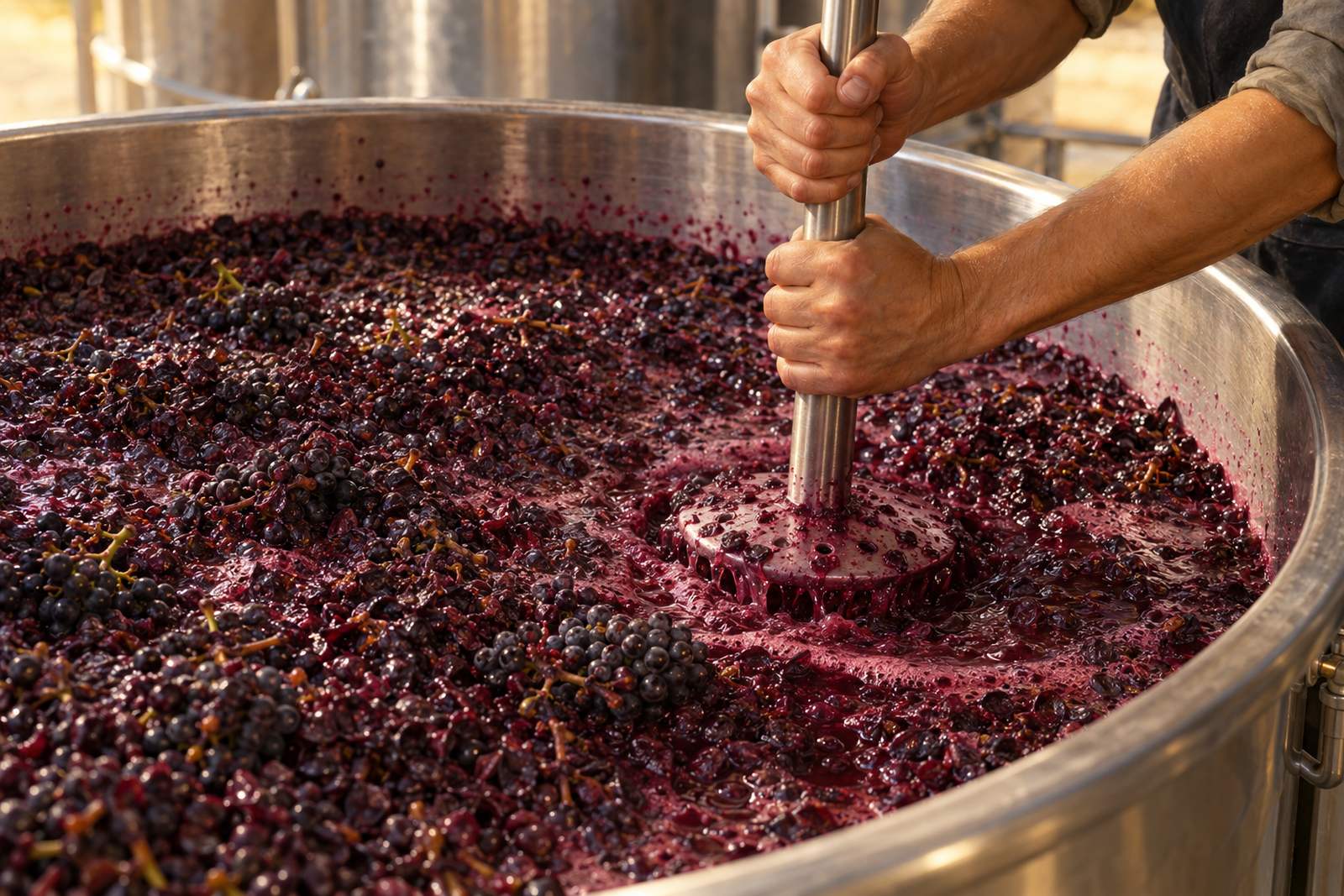
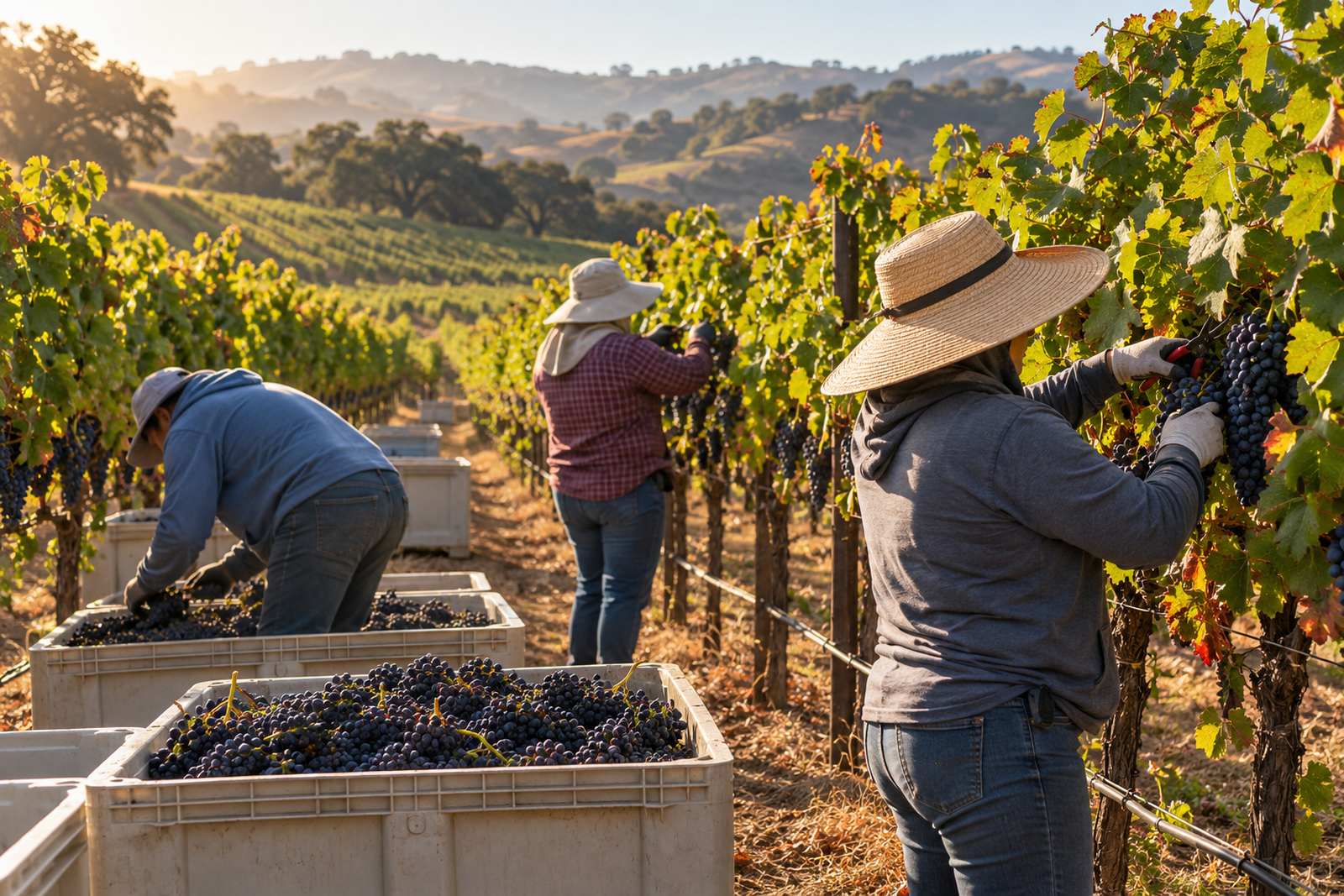
The portfolio is Pinot Noir only: a Freestone-Occidental Sonoma Coast bottling and five single-vineyard cuvées (Bodega Headlands Cuvée Elizabeth, Running Fence Cuvée Catherine, SWK, Bodega Ridge, Occidental Station), each picked at night, sorted twice, fermented block by block with native yeasts, and moved by gravity, free-run wine only, into François Frères barrels in a naturally cold underground cellar before being bottled unfined and unfiltered with minimal sulfur. Many of the cellar crew have worked with Kistler for more than thirty years. The wines are sold exclusively through a small mailing list; there is no public tasting room, and visits are by appointment for list members with a purchasing history. For collectors of California Pinot Noir, the list is one of the most coveted in the state.