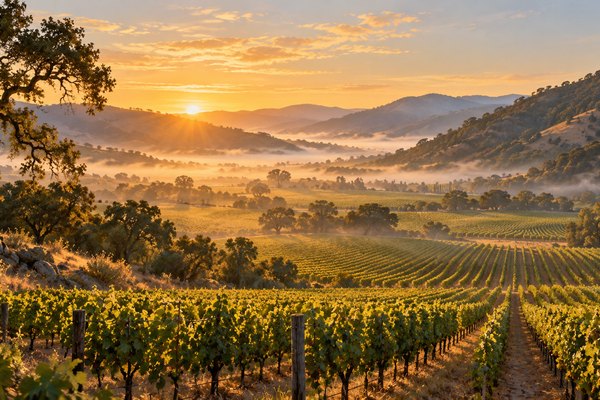
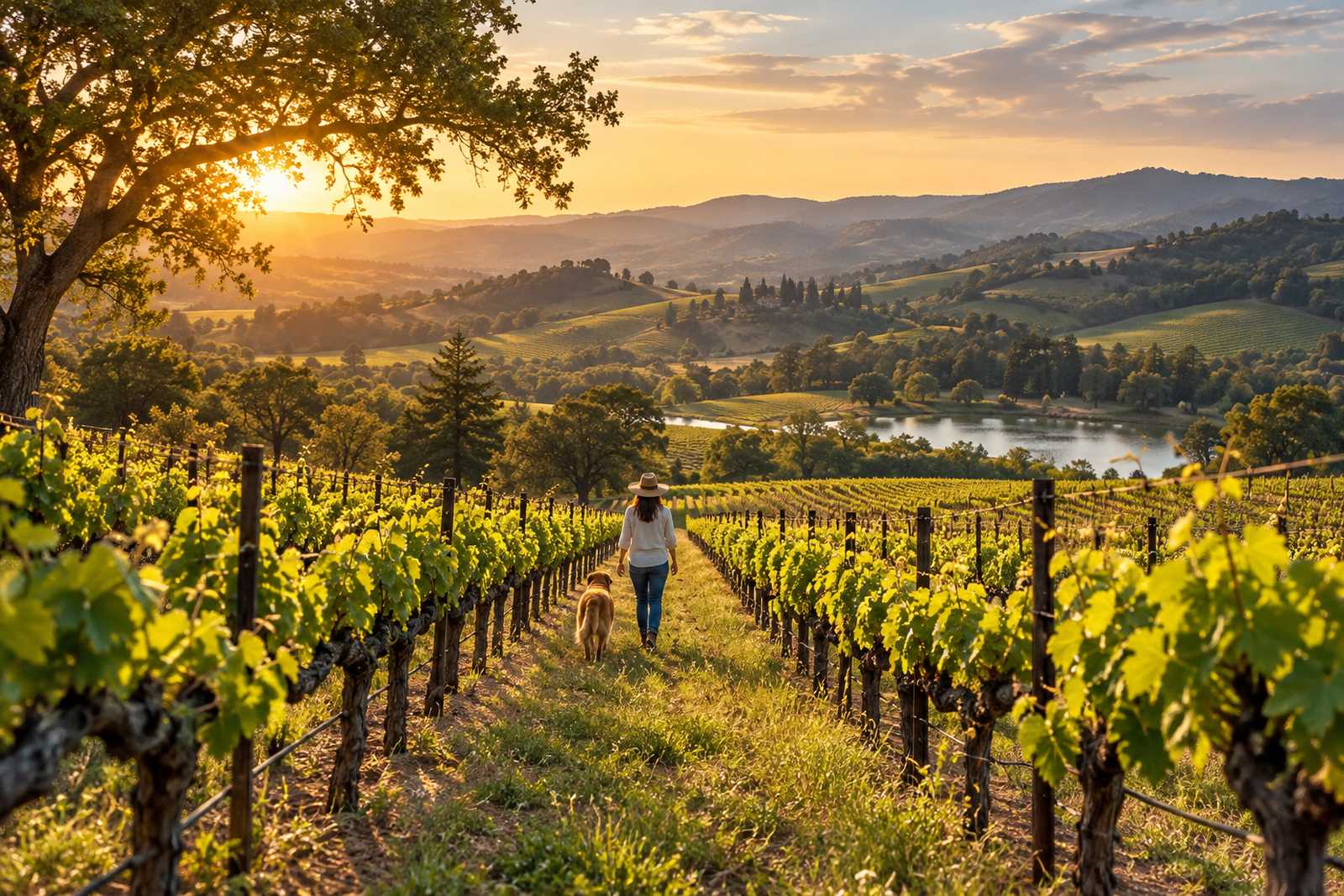
Passport to Dry Creek Valley is the Winegrowers of Dry Creek Valley's spring weekend: Saturday and Sunday of tastings at family wineries along Dry Creek and West Dry Creek Roads, each pairing its wines with a chef's bite and live music. It opens on Friday evening with the Twilight Welcome Party, a separately ticketed gathering of boutique wineries. Recent rosters have included Dry Creek Vineyard, Pedroncelli, Ridge Lytton Springs, Kokomo and the sparkling wines of Breathless, with more than fifty wineries taking part across the weekend.

Passport to Dry Creek Valley is the Winegrowers of Dry Creek Valley's spring weekend: Saturday and Sunday of tastings at family wineries along Dry Creek and West Dry Creek Roads, each pairing its wines with a chef's bite and live music. It opens on Friday evening with the Twilight Welcome Party, a separately ticketed gathering of boutique wineries. Recent rosters have included Dry Creek Vineyard, Pedroncelli, Ridge Lytton Springs, Kokomo and the sparkling wines of Breathless, with more than fifty wineries taking part across the weekend.
Go for the people behind the wine. Dry Creek is a valley of family estates, and over Passport weekend the grower or winemaker is often the one pouring, glad to talk about the vineyard you can see from the patio. Many wineries build their stop around a theme, so one afternoon can move from a backyard party to a quiet barrel room to a lawn of bocce. The valley's Zinfandel shares the table with whites, Rhône blends and sparkling wine. A portion of every pass funds the Dry Creek Valley Scholarship, which keeps the weekend rooted in the community that hosts it.
The nonprofit association of Dry Creek Valley growers and wineries, which promotes the appellation and funds the Dry Creek Valley Scholarship.
Visit organizer site →Dry Creek Valley's growers and wineries organized as the Winegrowers of Dry Creek Valley in 1989, and a year later they introduced Passport, opening the valley's cellar doors to visitors for a spring weekend.
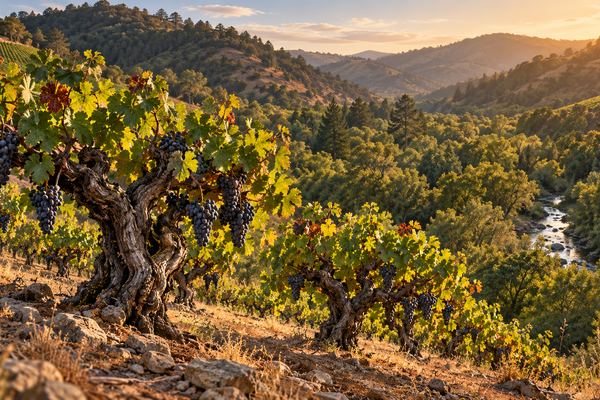
The valley they were showing off had come a long way. Zinfandel was planted here in the 1800s, but Prohibition turned most of the vineyards into prune and pear orchards. Old Zinfandel vines survived, the grapes returned, and federal recognition as an American Viticultural Area came in 1983.
Pick and add wineries to map your route.

Amista Vineyards
›


Breathless Sparkling Wines
›

Three sisters founded Breathless as a tribute to their mother, crafting méthode champenoise sparkling wine just off the Healdsburg plaza. Winemaker Penny Gadd-Coster guides the cuvées, poured as seated flights in an Art Deco tasting room built from reclaimed shipping containers, with sabrage lessons and a garden patio.

CAST Wines
›

David Coffaro Vineyard & Winery
›

Dry Creek Vineyard
›

Founded in 1972 by David Stare, a Loire-inspired Bostonian who drove his family west, the first post-Prohibition bonded winery in Dry Creek Valley, the first to plant Sauvignon Blanc here, and the first to label an American wine 'Meritage.' Still family-owned. The Fumé Blanc is the benchmark; bocce and a garden patio.

Dutcher Crossing Winery
›

Kokomo Winery
›

Erik Miller named his winery for his Indiana hometown, founding it in 2004 with 500 cases of Cabernet. In partnership with fourth-generation Dry Creek farmer Randy Peters, Kokomo produces 20+ varietals from the east bench of Dry Creek Valley, plus a natural-wine sublabel, Breaking Bread. Hoosier hospitality, single-vineyard rigor.

Martorana Family Winery
›

Mauritson Wines
›
Six generations of Mauritsons have farmed Sonoma's Dry Creek and Rockpile hillsides since 1868: the family's 4,000-acre Rockpile homestead reshaped by Prohibition and Lake Sonoma. Clay Mauritson, an Oregon Ducks linebacker before founding the label in 1998, produces single-vineyard wines across Dry Creek, Alexander Valley, and Rockpile.

Mazzocco Sonoma
›


Papapietro Perry Winery
›


Pedroncelli Winery
›
Giovanni and Julia Pedroncelli bought this Geyserville property in 1927, with 25 acres of Zinfandel and a former winery that had spent Prohibition as a barn. Four generations later, the family sustainably farms about 100 acres. The tasting room stays unpretentious: seated flights indoors or on the outdoor patio, and a bocce court.

Ridge Vineyards (Lytton Springs)
›
Ridge first made Lytton Springs in 1972 and bought the vineyard in 1991; its century-old Zinfandel vines are the Dry Creek benchmark against which other Zinfandels are measured. Paul Draper's decades of stewardship set the template for serious California Zinfandel. The straw-bale, earthen-plaster winery looks out on the old vines from the tasting room.

Seghesio Family Vineyards
›

Edoardo Seghesio, a Piedmont immigrant, planted his first Zinfandel in 1895 in what became the family's Home Ranch in Alexander Valley. Since 2011 the winery has belonged to Crimson Wine Group, with fifth-generation family member Ned Neumiller directing the vineyards. The shaded Grove lounge welcomes picnics, with bocce alongside.

Trattore Farms
›


Truett Hurst Winery
›
Phil and Sylvia Hurst founded Truett Hurst in 2007 in Dry Creek Valley on a biodynamic ethos. After its public-company years ended with the sale of the original property, Phil repurchased the brand in 2024 with vintner Ken Wilson. The winery now pours from the Hudson Street Tasting Barn in downtown Healdsburg.

West Wines
›

Wilson Winery
›
Ken and Diane Wilson built Wilson Winery from a century-old tin barn on Dry Creek Road in 1993. Diane is the winemaker; the family has expanded across Sonoma properties, but the original Dry Creek estate, with its balcony deck, remains the anchor. Award-winning Zinfandel headlines, with Cabernet and Petite Sirah.

Ferrari-Carano Winery
›
A Siena-inspired Villa Fiore in the heart of Dry Creek, founded by the Carano family in 1981 and now a Foley Family property. Five acres of Italian gardens, an Enoteca in the underground cellar, and 5,000 tulips blooming late February through March. Twenty-plus wines from six appellations. Kid-friendly tastings, walk-ins welcome.

Aldina Vineyards
›

A small Latina-owned family estate on the volcanic hillsides above Santa Rosa, in the Fountaingrove District AVA. Winemaker Belén Ceja produces about 1,500 cases a year, anchored by an estate Cabernet Sauvignon with Chardonnay, Sauvignon Blanc, rosé of Cabernet, and a Bordeaux-style red blend. Poured from Bacchus Landing in Healdsburg.